



Dice Rolling in Board Game Design: Casino Thrills with Lotus Asia
Dice Rolling in Board Game Design: Casino Thrills with Lotus Asia
Introduction
Master the art of dice rolling in board game design, inspired by the excitement and mechanics found in casino games at Lotus Asia.
1. Understanding the Role of Dice in Games
Before diving into design, it’s essential to understand why dice are used in board games. They serve several purposes, including:
- Chance: Dice introduce randomness, making each playthrough unique.
- Decision-Making: Players must often make tactical choices based on the outcomes of dice rolls.
- Player Interaction: Games can be designed to allow players to affect each other’s rolls.
2. Choosing the Right Type of Dice
Depending on your game’s theme and mechanics, you can choose from various types of dice:
- Standard six-sided dice: Common and easy to understand.
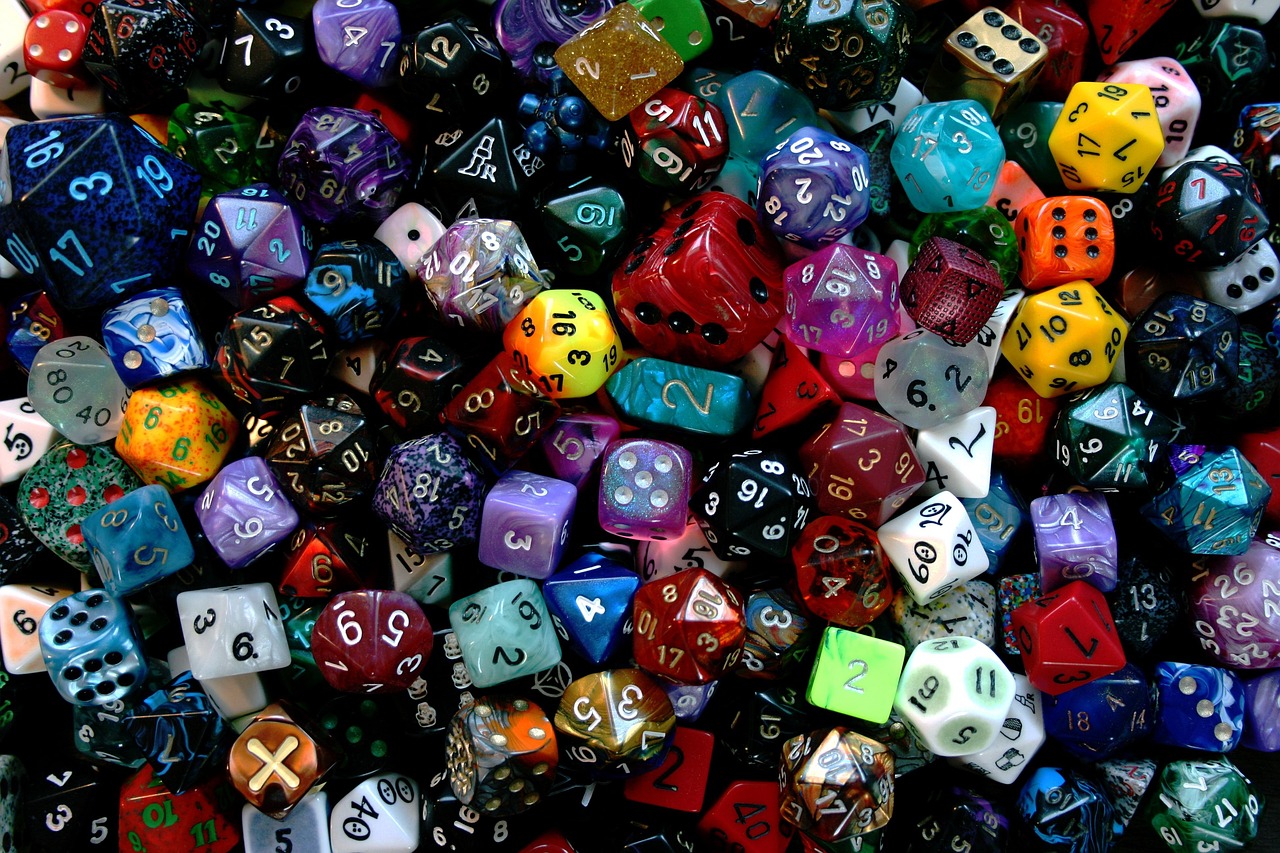
- Polyhedral dice: Useful for games that require a broader range of outcomes.
- Custom dice: Designed with unique symbols or numbers specific to your game.
For a comprehensive overview of dice types, check out this RPG.net article.
3. Designing Dice Mechanics into Your Gameplay
Incorporating dice mechanics involves more than just rolling. Here are some strategies:
- Rolling for Movement: Use dice rolls to determine how far players can move.
- Combat Resolution: Dice can resolve outcomes of battles or conflicts.
- Resource Generation: Dice rolls can determine what resources players receive each turn.
4. Balancing Luck and Strategy
One of the most significant challenges in game design is balancing luck with strategy. Here are some solutions:
- Limit the impact of luck by providing players with strategic options to mitigate poor rolls.
- Incorporate elements where players can manipulate outcomes, such as rerolls or bonuses.
- Test varieties of scenarios to ensure no single roll can drastically change the game.
5. Theming Your Dice
Dice can be themed to fit the narrative of your game. Consider the following:
- Use colors and symbols that reflect your game’s universe.
- Implement unique dice with bespoke outcomes that align with your storyline.
- Engage players by creating thematic contexts for dice rolls (e.g., rolling a die to determine a character’s fate).
For inspiration, explore the ThoughtCo article on different dice styles.
6. Playtesting Your Dice Mechanics
Playtesting is crucial for understanding how dice mechanics affect game balance and enjoyment. Here are some steps to follow:
- Gather a diverse group of players for varied feedback.
- Observe how players interact with the dice mechanics during the game.
- Schedule multiple playtest sessions to refine and adjust mechanics based on feedback.
7. Utilizing Dice Rolling in Digital Games
If you’re designing a digital board game, consider how dice mechanics can transition into the digital space:
- Simulate dice rolling with random number generators.
- Implement animations to make the experience engaging.
- Allow players to influence outcomes using game mechanics that give them choices.
Conclusion
Incorporating dice rolling into your board game design can add depth, excitement, and replayability. By carefully considering the mechanics, balance, and presentation of dice, you can create an engaging gaming experience that keeps players coming back for more. Remember, the key lies in playtesting and being open to feedback to ensure your design is both fun and fair.