


poker table geometry – Lotus Asia Poker Strategy: How Table Geometry S
How Poker Table Geometry Shapes Dynamics in Lotus Asia
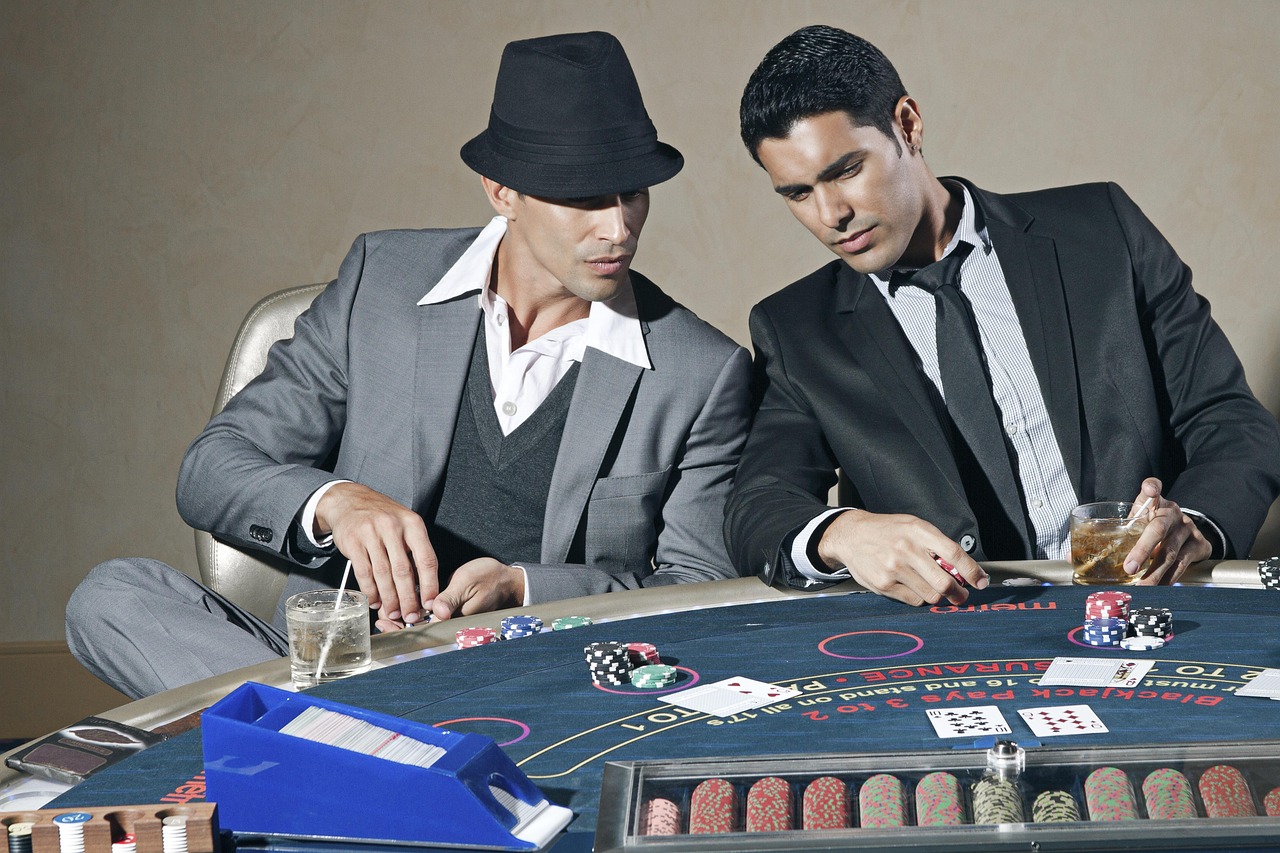
While many players believe that success is purely a matter of luck, mastering a sophisticated poker strategy requires an understanding of the physical environment in which the game is played. Central to this is poker table geometry, which stems from the specific physical layout and dimensions of the playing area. The design of the table does more than just house the chips; it directly influences player interactions and the spatial dynamics that shape every decision. This article delves into how table geometry plays a critical role in shaping effective poker strategy and overall gameplay dynamics.
H2: The Design of Poker Tables
H3: Dimensions and Shape
Standard poker tables are typically oval or circular, designed to encourage interaction among players. The dimensions usually range from 84 to 96 inches in length, providing enough space for dealing cards and placing chips. A round table fosters a communal atmosphere, essential for games that rely on psychology and reading opponents.
H3: Material Choices
The materials used, such as felt or vinyl, impact both the aesthetic value and tactile experience of the players. The choice of material also plays a role in how the cards slide and how chips sound when stacked or moved.
H2: Player Positioning and Dynamics
H3: Influence of Seating Arrangement
Seating arrangements are designed considering the flow of the game and the interaction between players. Players seated close to each other engage more readily, creating a dynamic atmosphere filled with psychological tension and social interaction.
H3: Player Autonomy and Visibility
The geometric layout allows players to maintain visibility over their opponents, enhancing their ability to read body language and behavior. This leads to increased strategic depth as players can make more informed decisions based on the physical layout of the table.
H2: Lighting and Geometric Influence
H3: The Role of Light in Gameplay
Lighting is often designed around the geometry of the poker table to ensure that all areas are well-lit, reducing the potential for cheating. Proper lighting allows players to observe their cards and monitor their opponents more effectively.
H3: Reflection and Shadows
The geometric arrangement of lights can create reflections or shadows that may affect decision-making. Players can take advantage of these optical illusions, thereby using them to their strategic benefit.
H2: Chip and Card Movement
H3: The Effect of Surface Geometry
The play surface’s geometry impacts how cards and chips move across the table. A smooth, well-fitted surface promotes faster gameplay, while a textured or uneven surface can slow down the game and alter the interactions between the players.
H3: Space Utilization
The geometric layout maximizes surface area while minimizing clutter. Effective organization of chips and cards allows for a more fluid game flow, thus contributing to a better overall player experience.
H2: Strategy and Psychology
H3: Geometry and Player Behavior
Players often alter their strategies based on their positioning at the table. Understanding the geometrical dynamics can provide an edge in reading opponents and predicting their behavior.
H3: Positional Strategy in Poker Games
Positional awareness, governed in part by the geometry of the table, is crucial in poker. Knowing whether you’re in early, middle, or late position can inform betting strategies and psychological tactics.
H2: Conclusion
Examining the nuances of geometry in poker tables offers fascinating insights into how design affects gameplay. By understanding these dynamics better, players can improve their strategies, enhance their interactive experience, and master the art of reading their opponents.
For further reading, consider these resources:
– [Geometry in game design](https://www.gamedesigning.org/learn/geometry-game-design/)
– [The psychology behind poker](https://psychcentral.com/lib/psychology-of-poker)