


Japanese Gambling History: From Edo to Modern Day at Lotus Asia
A Journey Through Japanese Gambling History with Lotus Asia
Introduction
Japan has a rich and complex history of gambling that reflects its cultural evolution. From street-side games played during the Edo period to the modern casinos and online platforms of today, the journey is filled with unique traditions and significant changes. This article delves into various phases of Japanese gambling history, exploring the games, legal frameworks, and cultural contexts that have shaped its development.
1. Gambling in the Edo Period (1603-1868)
The Edo period marks the beginning of organized gambling in Japan. During this time, various forms of gambling became popular among the common people, with activities such as:
- Dice Games: Simple dice games that were easy to play and accessible to all social classes.
- Lottery Systems: Known as takarakuji, lotteries became an important form of gambling.
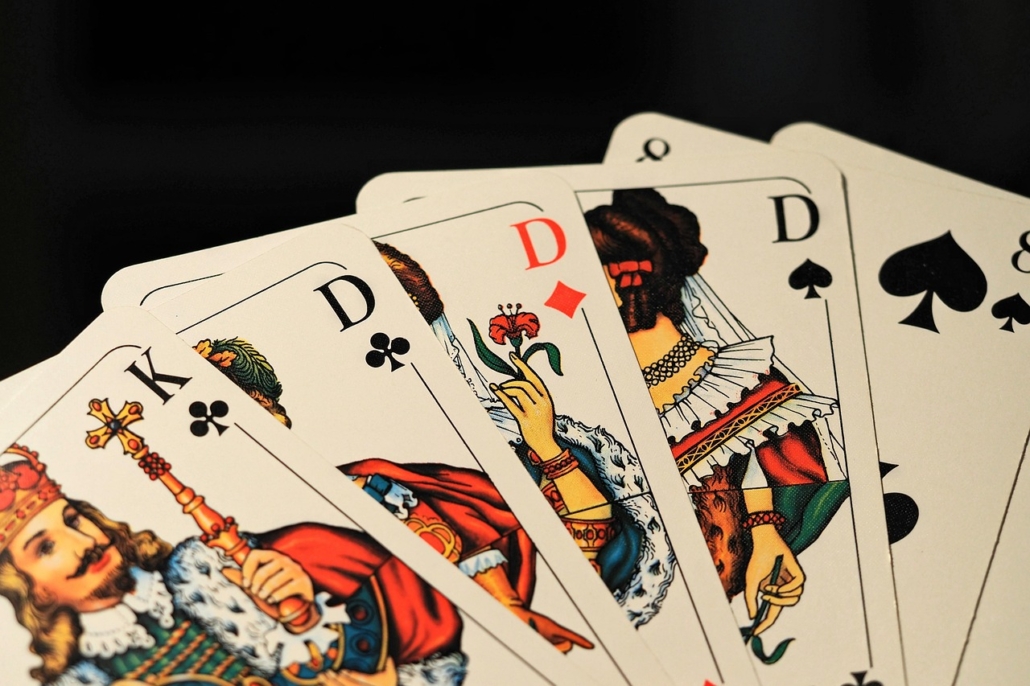
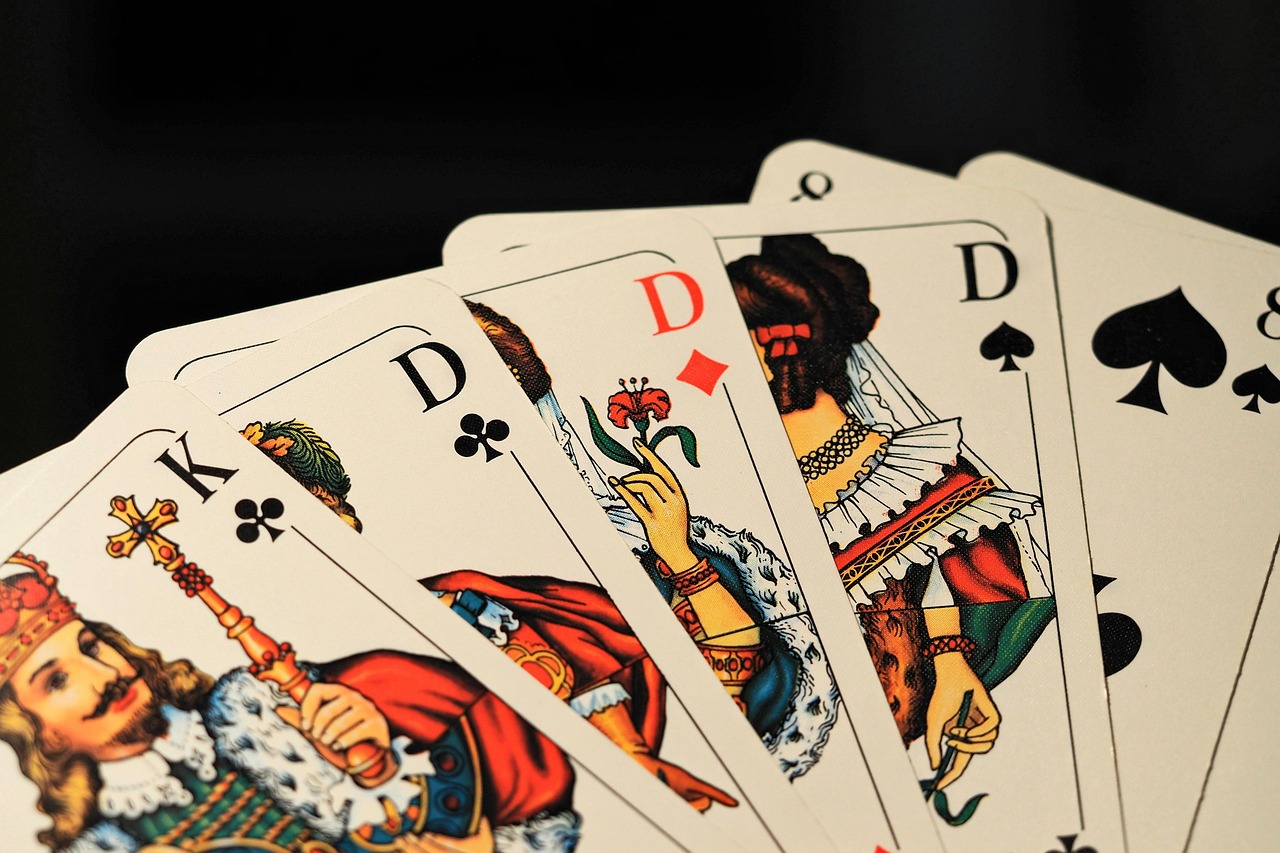
- Card Games: The introduction of card games such as hanafuda laid the foundation for many modern Japanese card games.
For more insights on the Edo period and its cultural impact, visit Britannica: Edo Period.
2. The Influence of Western Gambling
With the arrival of Western traders and influences in the 19th century, gambling in Japan underwent significant changes. New games such as poker and roulette were introduced, which began to intermingle with traditional Japanese games. Western-style gambling establishments also began to emerge, influencing gambling culture and practices.
3. The Meiji Restoration and Legalization
The Meiji Restoration (1868) marked a turning point in Japanese history, leading to the legalization of certain forms of gambling. The government started regulating activities like horse racing, resulting in organized betting and set legal frameworks.
4. Traditional Gambling Games
Several traditional gambling games have persisted throughout Japan’s history. Key games include:
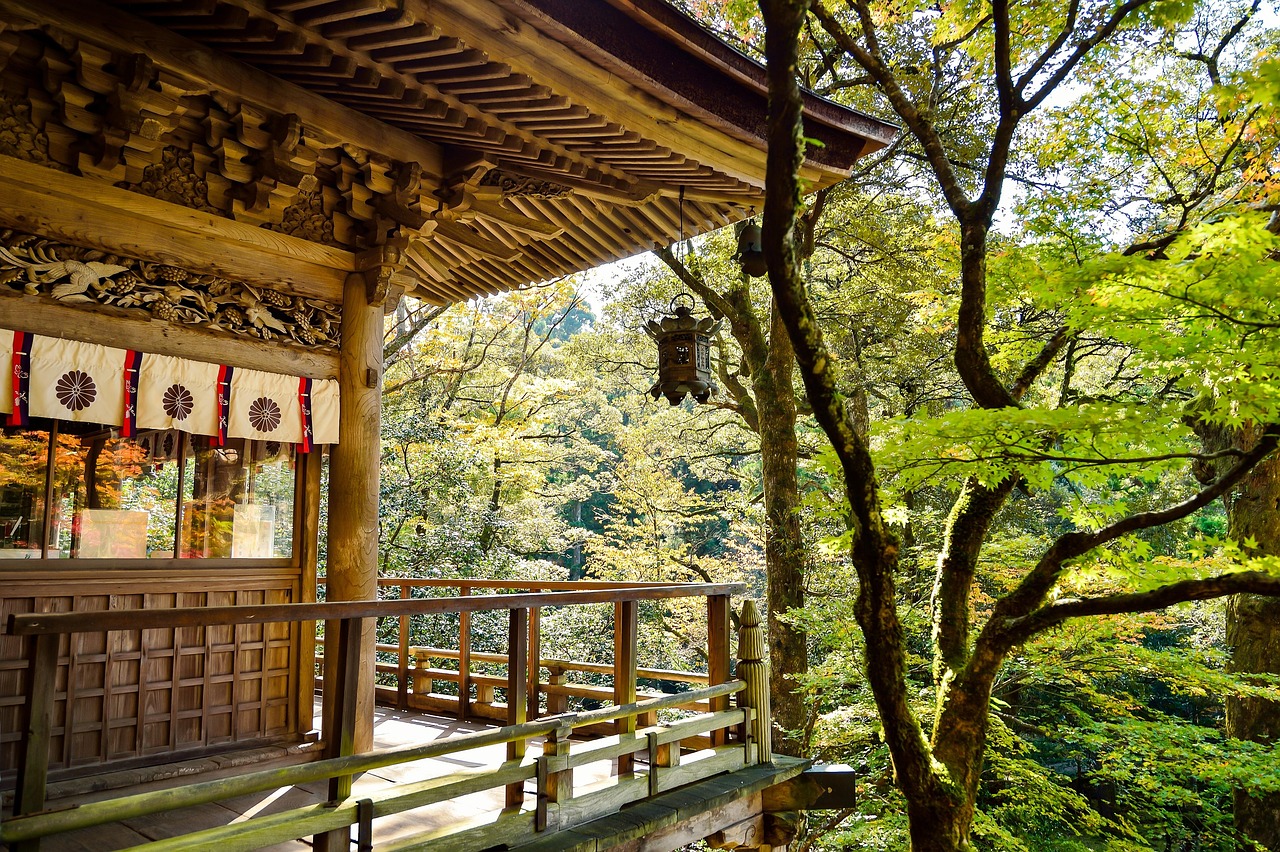
- Hanafuda: This traditional card game is rooted in Edo culture and has become a symbol of Japanese gaming.
- Pachinko: A game resembling a mix of pinball and slots, popular since the post-war era as a form of recreational gambling.
- Mahjong: Although of Chinese origin, mahjong gained immense popularity and a unique Japanese flair.
For more about traditional Japanese games, check out Japan Travel: History of Hanafuda.
5. Post-War Gambling Boom
After World War II, Japan experienced a boom in gambling activities. The government unofficially endorsed pachinko parlors, leading to the establishment of vast networks across the country. This era also saw the rise of lottery systems, which became a major revenue source for local governments.

6. Modern Gambling Legislation
In recent years, Japan has revamped gambling legislation to regulate and expand its gambling sector. Significant milestones include:
- Integrated Resorts (IR) Implementation: In 2018, Japan legalized integrated resorts that include casinos.
- Online Gambling: The rise of digital platforms has prompted discussions about regulations and potential licensing.
For details about Japan’s modern gambling laws, visit Reuters: Japan’s Casino Games.
7. The Rise of Online Gambling
As technology advanced, online gambling became popular in Japan. Despite strict regulations, many players engage in online betting through international platforms. The COVID-19 pandemic exacerbated this trend, pushing many to explore digital alternatives for traditional betting.
8. Cultural Perceptions of Gambling
Gambling in Japan has always carried mixed connotations. While it is viewed as a form of entertainment and leisure, it also faces stigmatization and concerns around addiction. Various organizations work towards educating communities on responsible gambling.
Conclusion
From its humble beginnings during the Edo period to the emergence of modern integrated resorts, Japanese gambling history showcases the evolution of both culture and laws surrounding this activity. As Japan continues to balance tradition with modernity, its gambling landscape will likely evolve further, attracting both local and international interest.