


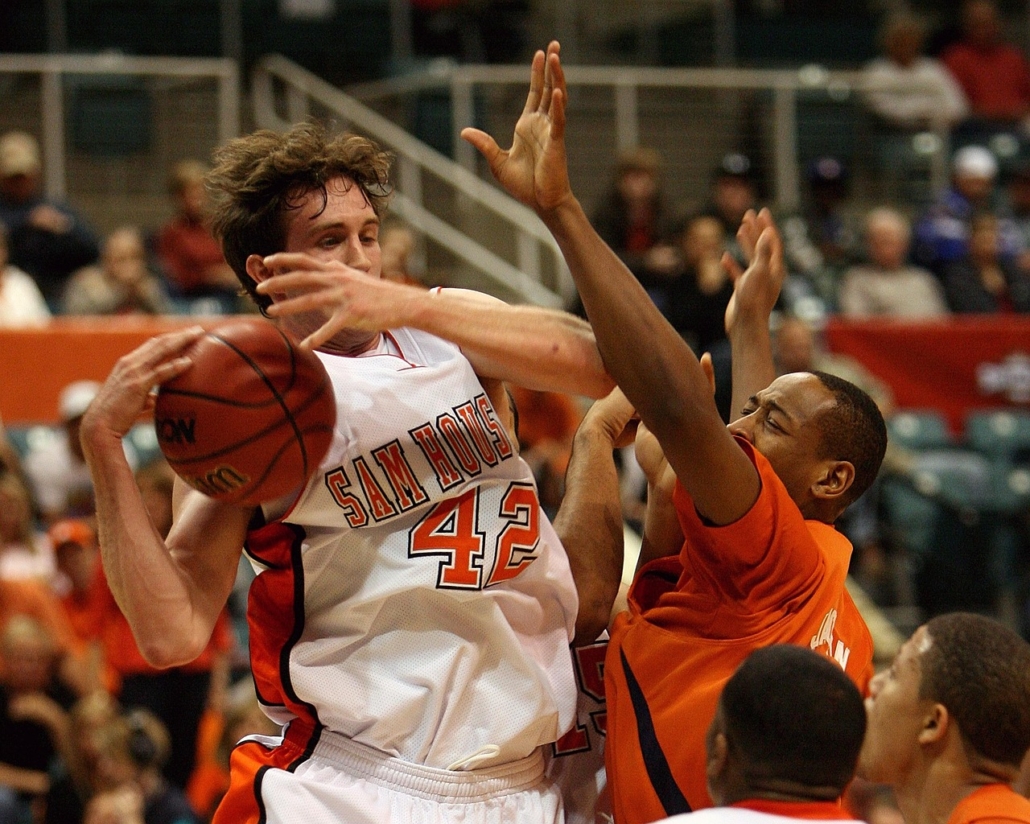
college basketball gambling – Gambling Syndicate Targets College Baske
college basketball gambling – Gambling Syndicate Targeting College Basketball Games
college basketball gambling at Lotus Asia. With the NCAA men's college basketball season underway, reports indicate a gambling syndicate is targeting games, raising concerns about
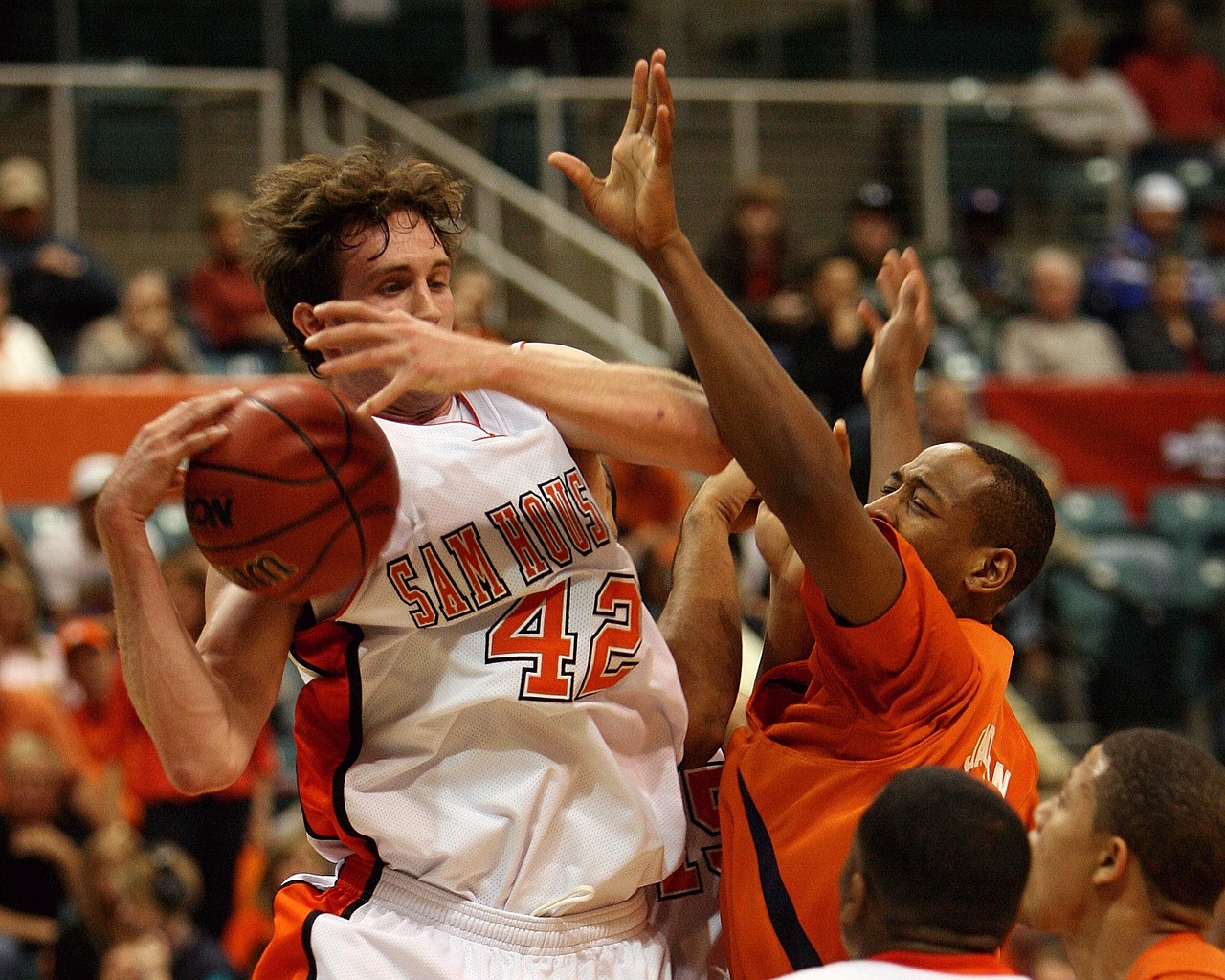
Highlights from the Beasley Investigation
High-profile stories frequently reveal the darker side of sports betting. One significant case involves Jontay Porter, a former Toronto Raptor, who received a lifetime ban for betting on NBA games and point shaving, including games involving his own team.
Recently, Malik Beasley, still a free agent, found himself under investigation in a federal gambling probe. Last season, he had signed a one-year contract with the Detroit Pistons and performed remarkably, averaging 16.3 points per game among other stats, raising expectations for his future contracts. He is awaiting full clearance from the NBA to resume his career.
Sportsbooks Flagging Suspicious Activity
According to Beasley, on October 10 he stated, “The NBA is conducting its investigation. The FBI has cleared me. The league has to go through its process, and I respect that. It’s frustrating because I just want to play,” demonstrating the impact of such investigations on players’ careers.
The ESPN report brought to light that several legal sportsbooks in the U.S. and Canada had flagged numerous unusual bets. Gamblers repeatedly placed bets against small-conference teams in at least 11 games over a six-week period last season.
This gambling syndicate allegedly targeted games from early December 2024 to mid-January 2025, as the NCAA and federal authorities look into whether results were manipulated by players and insiders.
Continuous Betting Action
With the legalisation of sports betting across U.S. states, there’s been a notable increase in wagering on college sports, especially basketball. March Madness has already established itself as a unified event for betting, but college basketball games are played multiple times a week, translating into persistent betting opportunities for enthusiasts.
IC360, a global technology firm monitoring integrity in sports betting, reported that punters were consistently winning when betting against the same teams. The report indicated an influx of new sportsbook accounts or players returning after a hiatus, making substantial bets often on first-half spreads.
Surges of Large Bets
One individual flagged in these sportsbooks was Marves Fairley from Mississippi, regarded as the “main suspect” in the syndicate, although he denied any wrongdoing when reached by ESPN. The investigations involve five schools linked to 13 players accused of participating in betting schemes: Eastern Michigan, Temple, New Orleans, North Carolina A&T, and Mississippi Valley State.
The questions raised are significant; is this just a glimpse into a much larger issue? With hundreds of games and thousands of collegiate athletes, the extent of gambling and potential cheating raises concerns about how it can be effectively monitored.
As reported by ESPN, indictments are forthcoming, indicating that the sporting world must grapple with the repercussions of this situation.
Summary
The intersection of college sports and illegal gambling is raising numerous red flags. High-profile cases like that of Malik Beasley highlight the challenges that athletes face in navigating the murky waters of sports betting. As investigations proceed, the implications on the credibility of college sports remain a growing concern. The risk of manipulation and betting scandals can tarnish the reputation of both the athletes involved and the institutions they represent. Sports enthusiasts and policymakers must collaborate to ensure a transparent and fair sporting environment.