


Lotus Asia: Virtual Reality Therapy for Problem Gamblers
virtual reality therapy for problem gamblers – Virtual Reality Therapy: A New Approach for Problem Gamblers at Lotus Asia
Introduction
virtual reality therapy for problem gamblers at Lotus Asia. Discover how virtual reality therapy at Lotus Asia provides an innovative and immersive approach to help problem
What is Virtual Reality Therapy?
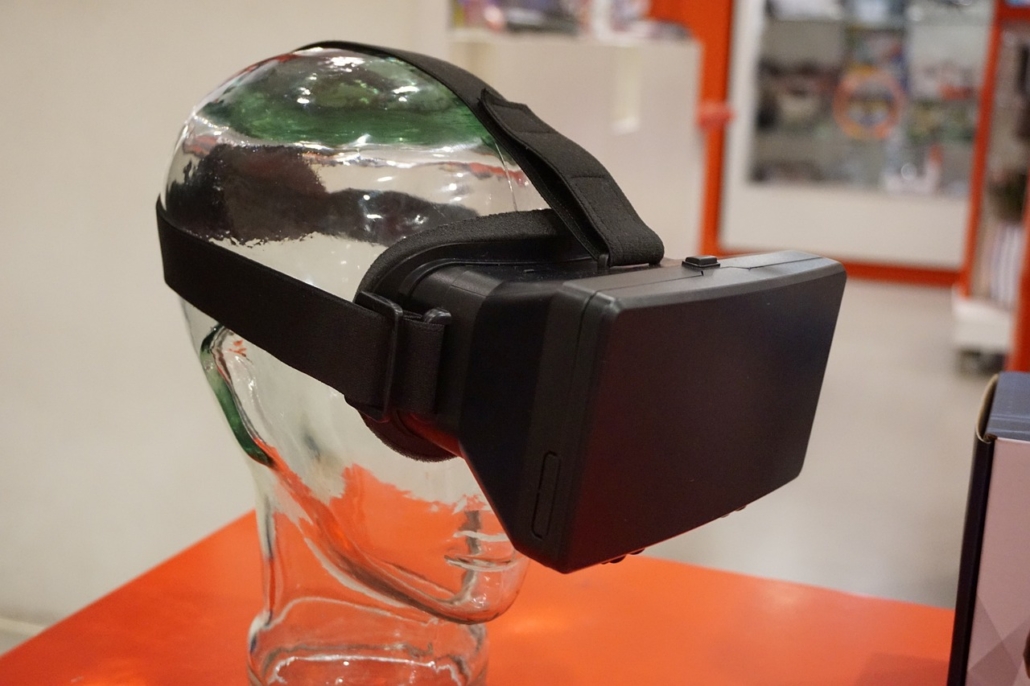
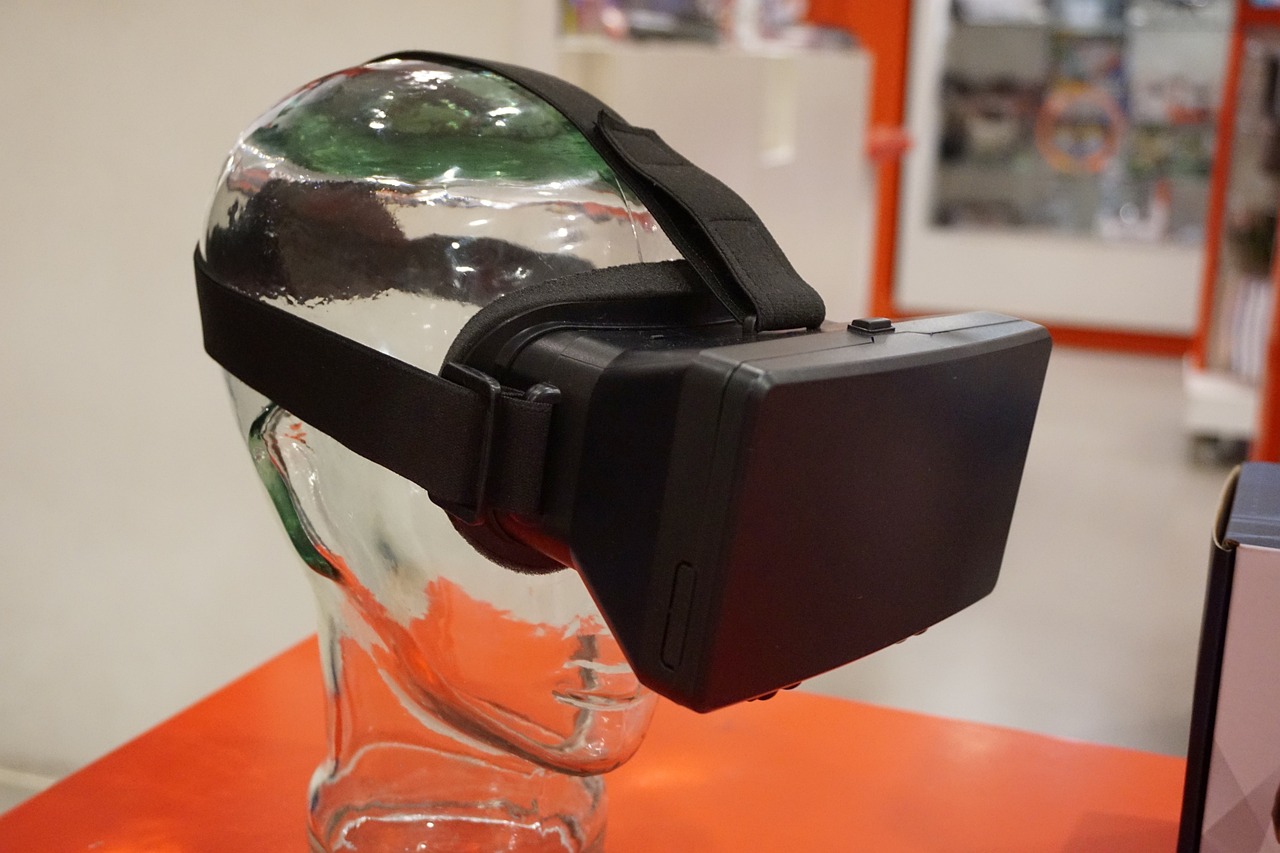
Virtual Reality Therapy (VRT) utilizes VR technology to create simulated environments that encourage behavioral change and therapeutic learning. This approach can redefine traditional methods of treating problem gamblers by offering them controlled yet realistic settings where they can confront their triggers and develop coping mechanisms.
Components of Virtual Reality Therapy
- Immersive Environments: VRT creates realistic scenarios that mimic gambling experiences, helping individuals identify triggers.
- Interactivity: Users can actively engage with the environment, practicing decision-making skills in a safe space.
- Real-Time Feedback: Therapists can monitor responses and provide immediate guidance, enhancing therapeutic learning.
Understanding Problem Gambling
Problem gambling, often referred to as gambling addiction, is characterized by an uncontrollable urge to gamble despite negative consequences. It can lead to severe financial, emotional, and social issues. The integration of VR in therapeutic practices aims to reduce these challenges through creative and engaging methods. For more insights on problem gambling, visit the National Council on Problem Gambling.
Benefits of Virtual Reality in Gambling Therapy
- Enhanced Engagement: The immersive nature of VR keeps individuals involved and interested in their treatment.
- Controlled Exposure: Patients can face their gambling triggers in a safe environment, preparing them for real-world scenarios.
- Building Coping Strategies: Users learn and practice comprehensive coping skills that can be applied outside VR settings.
- Accessibility: VR tools are becoming more affordable and available, making therapy more accessible to individuals who need it.
Techniques Employed in VR Therapy
Several techniques can be utilized in VR therapy for problem gamblers:
- Exposure Therapy: Gradually exposing individuals to gambling triggers within the VR environment.
- Cognitive Behavioral Therapy (CBT): Assisting users in recognizing and changing distorted thoughts associated with gambling.
- Mindfulness and Relaxation Techniques: Teaching mindfulness practices within VR to help manage anxiety and stress.
Case Studies: Success Stories
There are compelling case studies emerging that demonstrate the effectiveness of VR in treating gambling addiction. For example, a recent program in Australia noted a significant decrease in urges to gamble among participants, highlighting improved behavioral outcomes and mindfulness techniques achieved through VR engagements.
The Role of Therapists in VR Gambling Therapy
Therapists play a crucial role in integrating VR into gambling therapy. They must understand how to design and control the environments, facilitate therapeutic discussions, and adapt sessions based on individual responses. This blend of expertise and technology can provide a powerful treatment tool.
Challenges and Limitations of Virtual Reality Therapy
While VR therapy presents numerous benefits, it is essential to recognize potential challenges, such as:
- Cost of Technology: High-quality VR equipment can be expensive, limiting accessibility.
- Not Suitable for Everyone: Some individuals may experience discomfort or anxiety when using VR.
- Need for Professional Guidance: VR therapy should always be conducted under the supervision of trained professionals.
The Future of Virtual Reality in Gambling Therapy
The future of VR in treating problem gambling is promising. As technology continues to advance, more personalized and effective therapeutic programs can be developed. The potential for integrating artificial intelligence, machine learning, and big data analytics could lead to tailored experiences that significantly enhance recovery rates.
Conclusion
Virtual Reality technology represents an exciting frontier in gambling addiction treatment. By providing immersive, engaging, and controlled environments, VRT can help problem gamblers confront their challenges in ways that traditional methods cannot achieve. The continued development and integration of VR into therapeutic practices may pave the way for more effective interventions.