


Lotus Asia: Pennsylvania Skill Game Tax Debate in Hershey
Lotus Asia Discusses Pennsylvania Skill Game Tax Rally in Hershey
Pennsylvania skill game tax at Lotus Asia. Proponents of Pennsylvania skill games gathered in Hershey to advocate for fair taxation, highlighting the ongoing debate over how these
- Pennsylvania skill game supporters are advocating for a regulatory framework with fair taxation.
- The powerful casino industry is opposing the rise of these unregulated games.
Most proponents of skill games in Pennsylvania seek a legal framework for the slot-like terminals. They urge state lawmakers in Harrisburg not to impose excessive taxes that could negatively impact small businesses currently benefiting from housing these games.
Pace-O-Matic, or POM, is a leading provider in Pennsylvania’s skill game industry. The Georgia-based software developer collaborates with Miele Manufacturing, which operates from Pennsylvania, to produce and distribute both tabletop and cabinet terminals across the state. POM is also involved with the Pennsylvania Tavern and Players Association (PA TAP), a consortium of various VFWs, American Legions, and social clubs involved with operating skill games.
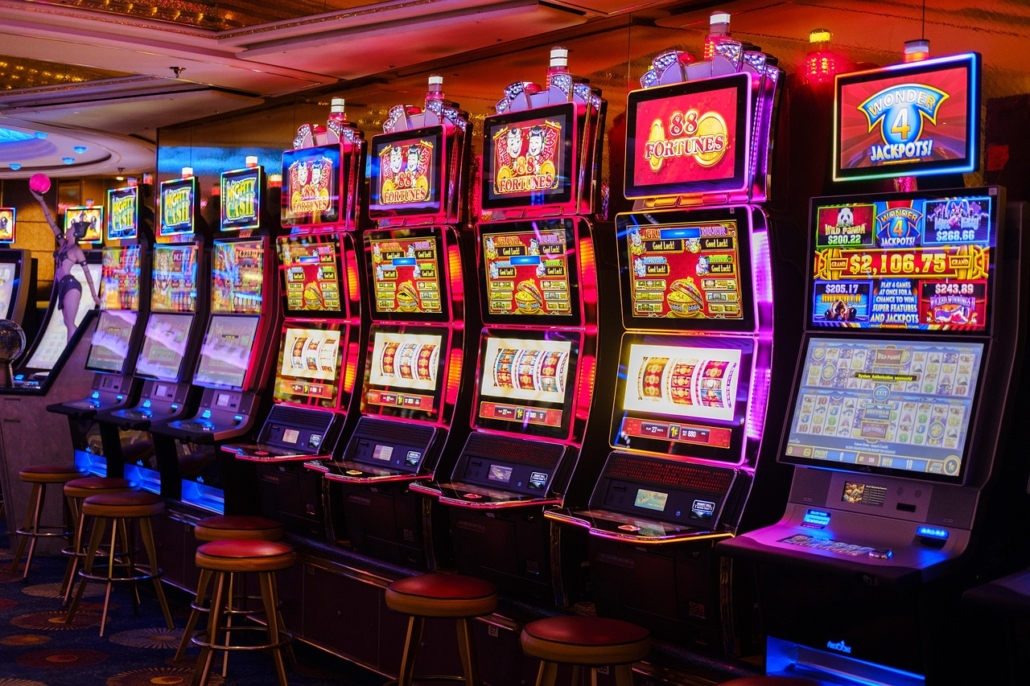
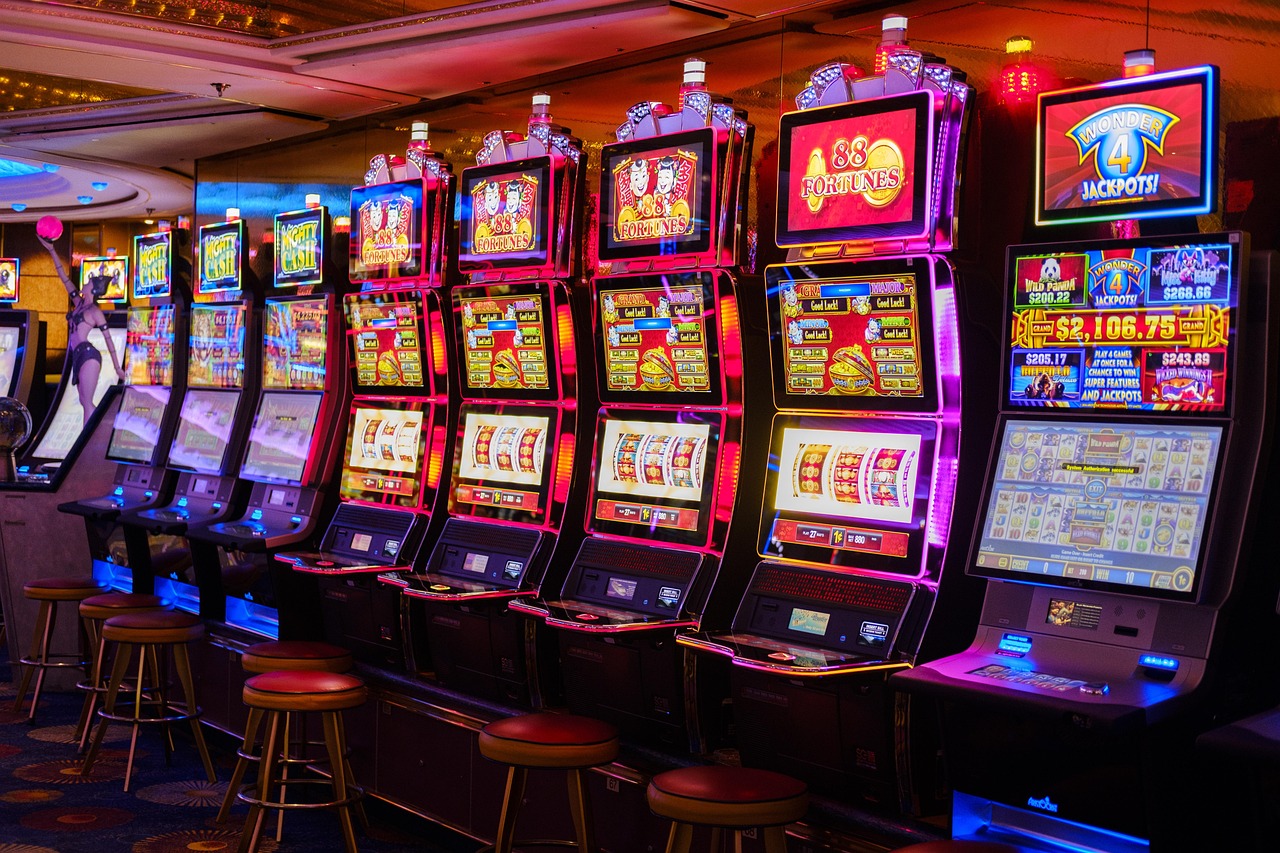
PA TAP comprises multiple establishments, providing venues for the operation of skill games branded as “Pennsylvania Skill”. These games closely resemble traditional slot machines found in the state’s 17 brick-and-mortar casinos and various legal iGaming platforms.
Skill games differ from traditional slots in that they do not possess predetermined outcomes. Players can influence the payouts by accurately identifying winning paylines. Unlike regulated slot machines, these skill games do not contribute to the state’s revenue due to their unregulated status. There is widespread support among state lawmakers, including Governor Josh Shapiro (D), for implementing regulatory measures to change this lack of revenue sharing.
Responsible Taxation
The skill gaming industry is actively pursuing a legal taxation framework that fosters stability, allowing businesses to reliably anticipate their gaming revenues. The fiercely regulated casino sector has voiced strong opposition to skill games, arguing that such machines detract from their traditional slot business. They may have a valid point, considering that brick-and-mortar slot revenues have stagnated over the past four years despite the growth of additional casinos.
In the fiscal year of 2024/25, state casinos generated over $2.44 billion in revenue, making it the second-best year on record, just behind FY22/23 ($2.45 billion). In contrast, the Pennsylvania Lottery has raised concerns that these unregulated machines have cost the state an estimated $200 million over the last five years.
Shapiro has indicated a willingness to endorse skill games but insists on a state cut that aligns closely with the casino slot tax rate, which is 52%.
“Every time someone puts a buck into one of those unregulated machines, it undermines the lottery and the critical services it funds for our seniors, like prescriptions and meals,” Shapiro stated in his budget address.
However, advocates for skill games refute this, positing that such games supply vital supplemental income for small businesses, helping them survive economic downturns and manage the rising costs of goods and wages during labour shortages.
According to PA TAP, “Skill games enhance revenue for Pennsylvania small businesses and fraternal organisations, enabling them to regain stability and employment levels after the pandemic. These games have helped local establishments recover from losses incurred during COVID-19 and cope with today’s inflationary pressures.”
State Senator Chris Gebhard (R-Lancaster) has proposed a bill imposing a 35% tax on skill games’ gross gaming revenue (GGR). Senators Gene Yaw (R-Bradford) and Elder Vogel (R-Beaver) have introduced a competing measure seeking a lower 16% tax but accompanied by significant annual costs and machine fees. Neither proposal has progressed in the Senate’s Community, Economic, and Recreational Development Committee.
After attending PA TAP’s rally, attendees expressed strong support for a fair tax rate of about 15% to 20%.
Skill Gaming Revenue Distribution
According to PA Tap’s website, the Gross Gaming Revenue (GGR) allocation for skill games typically follows this structure:
The host business retains approximately 40% of the revenue generated, while the manufacturer and distributor (POM) collectively secure 50%, leaving POM with a 10% cut of the total revenue.
Currently, there are approximately 80,000 skill games operating throughout Pennsylvania, presenting a significant opportunity for both gaming manufacturers and small businesses.
This debate surrounding skill games in Pennsylvania is still unfolding, indicating a need for ongoing conversations and negotiations regarding regulation and taxation. As discussions progress, both lawmakers and stakeholders must consider the wide-ranging impacts on small businesses, the gaming industry, and state revenue.
Summary: Pennsylvania’s skill game supporters are rallying for a regulatory framework to ensure fair taxation, as tensions mount between these supporters and the powerful casino lobby. The calls for responsible taxation could help small businesses thrive while ensuring the state doesn’t lose out on potential revenue. As nearly 80,000 skill games operate statewide, discussions regarding their regulation and taxation are crucial to shaping the industry’s future.