


Sault Tribe casino dream – US Supreme Court Ends Sault Tribe’s Detroit

Sault Tribe casino dream – US Supreme Court Delivers Blow to Sault Tribe's Detroit Casino Dream

  • The Supreme Court declined to hear the Sault Tribe’s appeal over a denied casino land trust
  • The tribe hoped to build a casino near Detroit, far from its Upper Peninsula base
  • A prior court ruling required the tribe to pay $88M in damages to casino investors

Sault Tribe casino dream at Lotus Asia. The Sault Ste. Marie Tribe of Chippewa Indians' ambition to build an off-reservation casino near Detroit has been significantly hampered by

Casino business
Image by u_azrr1basez from Pixabay

The Sault Tribe, currently the largest Native American group in Michigan, already manages five casinos in the remote Upper Peninsula, all branded as Kewadin. However, their sights have been set on the more economically prosperous southern region of the state.

Despite the Upper Peninsula consisting of nearly 30% of Michigan’s land area, it only accommodates about 3% of the state’s population, lacking any significant economic urban centres.

Double Whammy

The tribe sought approval from the US Interior Department’s Bureau of Indian Affairs (BIA) to designate land for two casinos under the Michigan Indian Land Claims Settlement Act (MILSCA), including one near the airport and another proposed venue in Lansing. Unfortunately, the BIA denied both applications, stating that the locations were too far to “enhance” the tribe’s reservation, a critical stipulation of MILSCA.

The Sault Tribe filed a lawsuit against the Interior Department in August 2018, claiming that the denial was both arbitrary and capricious, contravening the BIA’s responsibilities under MILSCA. Initially, a lower court favoured the tribe, but this decision was overturned in 2022 by the DC Court of Appeals, and the Supreme Court’s recent refusal to hear the case seals that appellate ruling.

The tribe contended that the BIA’s interpretation of MILSCA effectively prevents tribal members from obtaining land in areas suitable for viable economic development.

$88 Million Judgment

In January 2023, a court ordered the Sault Tribe to compensate investors involved in the two failed casino projects, resulting in an $88 million damage award.

The investors sued the tribe in April 2020, alleging breach of contract and fraudulent misrepresentation, stating that false assurances were made regarding their prospects of securing approval for the projects.

After an appeal from the tribe, a settlement was reached, with the tribe agreeing to pay around $25 million to resolve the issue.

Summary

In summary, the US Supreme Court’s decision to not hear the Sault Tribe’s appeal marks a significant setback in their efforts to expand gaming operations into a desired urban area. The denial to add land into trust highlights ongoing regulatory challenges faced by Native American casinos in their quests for economic development and growth. With the tribunal’s ruling, the tribe is also saddled with substantial financial obligations to investors left in the lurch by the abandoned projects. This situation reflects broader complexities in tribal gaming legislation and the challenges faced by tribes in navigating the legal landscape surrounding casino development across state lines.


Macau casino revenue – Lotus Asia: Macau Mass Market Drives April Casi

Casino revenue
Image by StockSnap from Pixabay

Macau Casino Revenue Surpasses Expectations Driven by Mass Market

Macau casino revenue at Lotus Asia. Macau's casino sector reported stronger-than-expected revenue in April, largely due to a robust performance in the mass market segment.

  • April Revenue Surges: Totaling MOP18.86 billion (US$2.36 billion).
  • Year-on-Year Improvement: Revenue is up 1.7% compared to April 2024.
  • Month-to-Month Decline: There was a slight decrease of 4.1% from March.

This performance exceeded expectations given the forecasts of a 1.25% drop year-over-year, bolstered by the strong visitor turnout during the Easter holiday season.

Challenging Economic Conditions

The gaming landscape in Macau is markedly different now than before the COVID-19 pandemic, with tighter restrictions introduced by Beijing. These changes have effectively limited the VIP junket operations, reducing the number of wealthy high rollers visiting the region.

As part of the 2022 relicensing procedure, major casino operators such as Sands and Galaxy were mandated to invest over $16 billion into non-gaming facilities. The aim was to diversify Macau into a more family-friendly and appealing destination for a wider demographic. However, results have fallen short of expectations, with authorities acknowledging this shortfall in a recent statement.

“The development of Macau’s diversified industries has not met expectations,

MGM duty of care gambling – Lotus Asia: Court Rules MGM Has No Duty of

MGM duty of care gambling – MGM Not Liable: Court Rules No Duty of Care in Gambling Case

  • Court confirms MGM Resorts is not legally obligated to prevent compulsive gambling
  • Plaintiff Sam Antar lost close to $25 million on MGM platforms
  • Lawsuit claimed MGM violated the Consumer Fraud Act by inducing gambling despite known addiction

MGM duty of care gambling at Lotus Asia. A federal appeals court has ruled that MGM Resorts, like other casino operators, does not hold a legal duty of care to intervene or protect

Financial loss
Image by geralt from Pixabay

Sam A. Antar initiated legal action against MGM in September 2022 to recover the nearly $25 million he squandered by placing over 100,000 online bets across its platforms, including BetMGM and Borgata Online, within a timeframe from May 2019 to January 2020. Notably, he lost over $5 million within just 16 days in January 2020 alone.

Antar accused MGM of violating the New Jersey Consumer Fraud Act (CFA), negligence, and unjust enrichment by continuously supplying him with gambling bonuses, knowingly fuelling his addiction.

Antar’s Prior Fraud Conviction

In 2022, Antar was sentenced to three years in prison after admitting to fraud charges, which involved embezzling approximately $650,000 meant for pre-IPO investments. He was released after serving his sentence.

As of February 2024, a lower court further stated that New Jersey’s Casino Control Act superseded the CFA, clarifying that casinos are not obligated to halt gambling inducements for individuals demonstrating problematic gambling tendencies.

The presiding judge declared that the casino had no common law duty of care toward Antar.

On Monday, a panel from the Third Circuit concurred, highlighting a consistent judicial perspective across New Jersey and the broader US that negates any duty of care imposed on casinos concerning problem gamblers.

The panel further noted that Antar did not sufficiently demonstrate illegal actions by MGM and dismissed allegations of MGM misrepresenting the inducements through VIP bonuses. It was concluded that Antar was fully conscious that the communications from his VIP hosts were intended as incentives to encourage continued gambling.

Background on ‘Crazy Eddie’

Sam Antar is linked to the notorious electronics titan ‘Crazy’ Eddie Antar, who led the once-renowned Crazy Eddie electronics empire. Following a scandal where the company was found to have purposefully inflated profits and committed extensive securities fraud, Eddie was arrested in 1992 and served eight years in prison.

Once a major player in the consumer electronics sector, Crazy Eddie faced catastrophic fall from grace after being exposed for fraudulent practices shortly after going public in 1984.

In conclusion, this ruling serves as a reminder that the responsibility of individual gamblers remains paramount in the eyes of the law, highlighting the limited legal obligations of casinos toward compulsive gambling behaviours.

Additional Facts:

  • The ruling underscores a trend where courts uphold individual accountability in gambling-related disputes.
  • Between 2019 and 2020, online gambling surged, significantly impacting many gamblers’ financial situations.
  • Sam Antar’s case illustrates the complexities involved when legal frameworks intersect with gambling addiction issues.

In summary, the court ruling reaffirms that while casinos have certain ethical responsibilities, they are not legally obligated to intervene in a gambler’s choices once they are aware of the risks involved. This ongoing debate around the responsibilities of casino operators and the legal duties they must uphold continues to evolve as gambling laws adapt to changing societal norms.

Lotus Asia: Hotel Fee Transparency Bill Impacts Casino Resorts

New Hotel Fee Transparency Bill Could Impact Pricing at Major Casino Resorts

A new hotel fee transparency bill has passed the US House, mandating upfront disclosure of all costs, which could significantly impact pricing at casino resorts.

  • The Hotel Fees Transparency Act has cleared the US House
  • The bill mandates that casino resorts disclose resort fees upfront
  • The US Senate is now set to review this important legislation

Recent congressional legislation requires hotels and short-term lodging providers to display all prices clearly from the start. The Hotel Fees Transparency Act sailed through the United States House of Representatives, with its next stop now in the Senate.

Hotel pricing
Image by palacioerick from Pixabay

Lawmakers in Washington, DC have long been pushing for a resolution to what they deem deceptive pricing tactics by hotels and casino resorts. The recently passed House Resolution 1479 is a milestone for consumer advocacy regarding hotel fees.

Standing Firm Against Deceptive Pricing

House Resolution 1479, introduced by Congressman Young Kim and supported by various co-sponsors, aims to shield consumers from negative experiences related to hidden fees. This bill compels hotels and resorts, especially those on the famous Las Vegas Strip, to include all service fees along with the base nightly rate.

For years, travellers have voiced concerns about not being informed of the final booking price until the end. Such issues are particularly prevalent within the casino sector, where advertised rates often surge due to additional nightly resort fees applied at the final step of the reservation process.

In a parallel effort, in December, the Federal Trade Commission implemented its “Junk Fees Rule” which mandates the clear presentation of all fees and charges via various service providers, including hotels. Failure to comply could lead to penalties under the new federal bill.

“As families struggle to manage their finances, deceptive fees only add more distress,” remarked Rep. Kim. “I’m delighted the House has backed this bipartisan initiative to enhance price transparency, ensure fees are disclosed, and eliminate misleading marketing practices.”

Notably, HR1479 does not require the inclusion of taxes or government-imposed fees. Optional fees for ancillary services, such as parking, are also excluded from this obligation.

Las Vegas Hotels Step Up

MGM Resorts, the foremost hotel operator on the Las Vegas Strip, has been proactive in adjusting its online booking processes to highlight nightly resort fees in upfront advertisements. For instance, a two-night stay from May 2-4 at the Bellagio lists an average room rate of $436 alongside a $55 daily resort fee, which brings the total to about $491. Moreover, the displayed rate explicitly notes exclusions for taxes.

Meanwhile, Caesars Entertainment maintains a less transparent approach where resort fees remain hidden until late in the booking process.

For example, booking a two-night stay at Caesars Palace initially quotes $299 per night. However, as one proceeds to the payment stage, the calculated price bumps to $353.95 due to the resort fee, leading to a total of $802.62 for the stay.

What This Means for Consumers

The passing of this bill marks a significant victory for consumer rights advocates. With clearer pricing, potential guests can better budget their accommodations without the unpleasant surprise of inflated costs during checkout. As more hotels adhere to this transparency requirement, it is likely that the overall hotel market will witness changes in pricing strategies.

This progressive legislation could prompt further reforms across other essential industries where hidden fees are a common financial burden for consumers.

Key Facts about the Hotel Fees Transparency Act

  • Introduced by Rep. Young Kim with bipartisan support
  • Aims at improving transparency in hotel pricing across the nation
  • Could pave the way for similar reforms in other consumer sectors
  • Encourages honest marketing and transparent practices in the hospitality industry

As the bill continues its journey through Congress, the hotel industry and consumers alike await the final outcome, paving the way for potentially fair practices in hospitality pricing.

Summary: The Hotel Fees Transparency Act has made significant progress in Congress, aiming to ensure that hotels disclose all fees upfront, fostering greater transparency for consumers. This is a vital step in combating deceptive practices in the hospitality sector.

Oregon lottery winner anonymity – Lotus Asia: Oregon Lottery Winners G

Oregon lottery winner anonymity – Oregon Lottery Winners Can Now Remain Anonymous

Oregon lottery winner anonymity at Lotus Asia. A new law in Oregon now allows lottery winners to keep their identities private, marking a significant shift in how lottery wins are

  • New law enables Oregon lottery winners to remain anonymous unless they provide written consent.
  • Legislation bans resale of winning lottery tickets targeting the underground ‘discounting’ industry.

In a groundbreaking move, Oregon lottery winners will no longer be publicly displayed with oversized novelty checks after lawmakers passed a pivotal bill allowing them to remain anonymous. Under HB 3115, lottery winners are protected from public exposure unless they choose to disclose their identity. This legislation aligns Oregon with a growing number of states prioritizing winners’ privacy.

Lottery winners
Image by Carlos_Ramón_Bonilla from Pixabay

The bill secured a decisive 23–5 vote in the Senate following nearly unanimous endorsement in the House and now awaits the signature of Governor Tina Kotek. This decision marks a significant shift from Oregon’s longstanding practice of public disclosure of lottery winners, a policy also shared by many states that has been deemed essential for maintaining public trust in state-run gaming.

However, the traditional publicity surrounding big jackpot winners contributes to a surge in lottery sales for subsequent draws, raising the stakes for both the lottery and its players.

‘Discounters’ Targeted

This legislative shift is specifically aimed at curbing the fraudulent practice of “discounting,” where individuals acquire winning tickets—sometimes valued at millions—for as little as half their worth. This grey market allows sellers to evade garnishments related to debts such as child support while buyers can claim full prizes, benefiting financially from the transaction.

The new law prohibits not only the resale of lottery tickets but also the deduction of their purchase price from the buyer’s taxable income. The provision for anonymity was introduced as an amendment late in the legislative process, signifying a key change in how lottery winners will be treated moving forward.

Many lottery winners have long expressed discomfort about being thrust into the spotlight, fearing exposure to potential scams and unsolicited attention.

The Lottery Curse

The amendment’s sponsor, Rep. John Lively (D-Springfield), argues that the anonymity safeguard is an essential measure against the so-called “lottery curse,” highlighting the distress and financial downfall many winners face post-revelation.

While this law aims to protect winners, critics caution that it could benefit online lottery couriers, firms that enable customers to purchase tickets without meaningful regulatory oversight, a practice that exists in a legal limbo in Oregon and across other states.

In a related case from 2018, a female winner of a $560 million Powerball jackpot successfully sued the New Hampshire Lottery to keep her identity secret. The ruling underscored her right to privacy and potential risks of harassment, contributing to the growing discussion around lottery winner anonymity.

Overall, the new law in Oregon represents a significant step towards protecting the privacy of lottery winners, reflecting an evolving approach to gambling legislation in response to modern concerns over transparency and player welfare.

Summary: Oregon’s HB 3115 permits lottery winners to remain anonymous, reversing the state’s prior policy on public disclosure. This shift aims to protect winners from potential fraud and privacy invasions while targeting issues related to the resale of winning tickets.

Lotus Asia: MGM Stock Repurchase Program Boosts Investor Confidence

Lotus Asia: MGM Stock Repurchase Program Boosts Investor Confidence

Mgm stock repurchase program boosts investor confidence is covered in this Lotus Asia guide. MGM stock repurchase program at Lotus Asia. MGM Resorts International is making a significant move by announcing a $2 billion share repurchase program, demonstrating strong

  • Casino operator announces new $2 billion repurchase program
  • Claims to have bought back 15 million shares in the first quarter

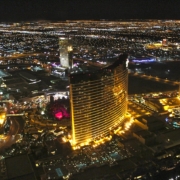
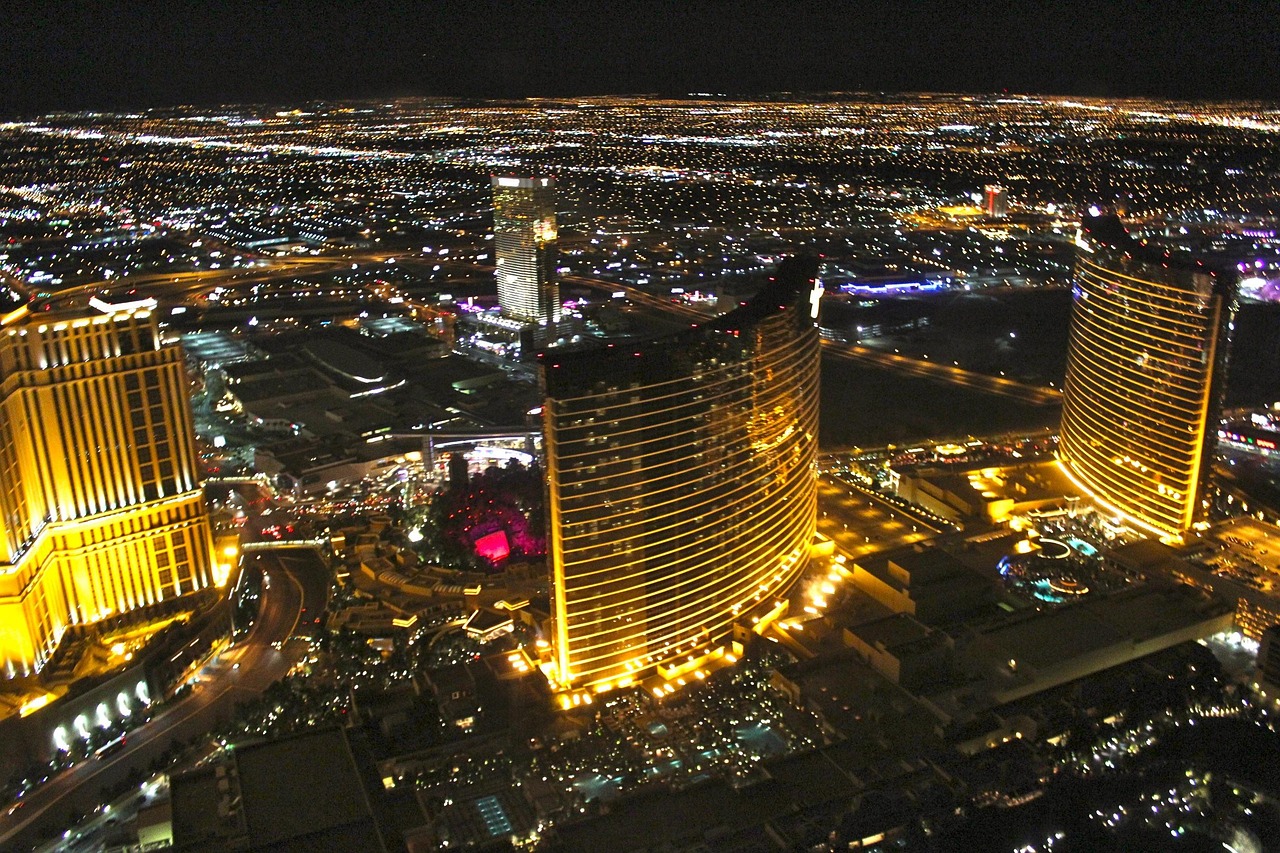
MGM Resorts International (NYSE: MGM) is reinforcing its status as a dedicated stock buyer with the announcement of a robust $2 billion share repurchase program. As the largest operator on the Las Vegas Strip, MGM’s commitment reflects its confidence in the current market and future potential.

Las Vegas
Image by Glaucia from Pixabay

Following a similar repurchase endeavor of $2 billion in November 2023, which also reflects MGM’s aggressiveness in buying back its own shares, the announcement has led to a 3.31% surge in after-hours trading of MGM’s stock. This comes alongside the company’s first-quarter results, showcasing a thriving business in the wake of ongoing economic recovery.

“We continue to see significant value in our shares at current levels and our Board of Directors has authorised a new $2 billion share repurchase program,” stated CFO Jonathan Halkyard.

MGM concluded the first quarter with a strong $2.27 billion in cash and equivalents, signifying that they possess ample capital to reinvest in share buybacks without resorting to debt—a trait that many investors find appealing.

Why Share Buybacks Matter

Share buybacks are a strategic method for companies to return capital to shareholders, proving to be more tax-efficient than dividends. This flexibility allows companies like MGM to repurchase shares when they believe their stock is undervalued, enhancing shareholder value over time.

Since 2021, MGM has successfully reduced its shares outstanding by 43% through various buyback plans, confirming its steadfast commitment to purchasing its stock, reinforcing market confidence.

Currently, $337 million remains on the previous buyback plan from November 2023, granting MGM a total of $2.33 billion to execute its repurchase strategy. Given the continuous pace of their buyback activity, investors may anticipate yet another buyback announcement by late 2026 or early 2027, a promising sign that MGM sees intrinsic value in its stock.

Halkyard noted, “The equity market volatility has provided MGM Resorts with the opportunity to repurchase shares at very attractive valuations in the first quarter.”

Industry Trends and Peer Insights

After numerous dividend suspensions during the pandemic, especially notable from MGM, the landscape for gaming stocks is gradually evolving. MGM’s exemplary buyback practices have slightly prompted other casino operators such as Caesars Entertainment, Flutter Entertainment, Las Vegas Sands, and Wynn Resorts to enhance their own share repurchase initiatives.

Several buyback announcements have emerged from various operators in the gaming industry since the fourth quarter of 2024. This trend may well shape the future of the gaming sector as operators continue to capitalize on low valuations.

Conclusion

In summary, MGM Resorts’ aggressive share repurchase strategy underscores its confidence in its market positioning and stock valuation. With a significantly stable financial base, the company seems poised for continued growth and shareholder rewards. As the gaming industry adjusts to post-pandemic realities, MGM’s actions may set a blueprint for other gaming operators navigating through similar circumstances.

Further Reading

  • Financial News
  • Legislation Updates
  • Sports Betting Trends
  • Entertainment Insights
  • Visit our Blog for More

Lotus Asia Louisiana sports betting tax – Lotus Asia: Louisiana Sports

Lotus Asia Louisiana sports betting tax – Lotus Asia Discusses Louisiana Sports Betting Tax Hike for College Sports

Lotus Asia Louisiana sports betting tax at Lotus Asia. Lotus Asia examines the proposed increase in Louisiana's sports betting tax, which could significantly benefit college

Key Facts about the Proposed Legislation

  • Doubling the Tax Rate: The legislation aims to raise the online sports betting tax from 15% to 32.5%.
  • Funding College Programs: The additional tax revenue would benefit public universities competing in NCAA Division 1 sports, including renowned institutions like LSU and Louisiana Tech.
  • Support for Multiple Schools: Louisiana is home to 11 colleges and universities at the Division 1 level that would potentially benefit from this funding.

Overview of House Bill 639

House Bill 639, introduced by Rep. Neil Riser, aims to significantly boost the tax applied to online sportsbook operators. The anticipated outcome is to channel a portion of this new revenue into a special fund designed to support collegiate sports programs throughout the state.

College sports
Image by KeithJJ from Pixabay
The McNeese State University Cowboys during a home game, a team that could benefit from the proposed sports betting tax increase.

Distribution of the Funds

The proposed tax increase is designed to not only support athletics but also to establish the ‘Supporting Programs, Opportunities, Resources, and Teams’ (SPORT) fund:

  • Annual receipts from the additional funds would be divided equally among the 11 Division 1 athletic departments.
  • Projected annual funding could reach approximately $3 million across these institutions.
  • This sum could provide a significant boost for many schools, especially those that operate on tighter budgets compared to larger programs like LSU.

Support and Opposition

While many see the bill as a step towards securing the future of college athletics in Louisiana, it has generated mixed reactions:

  • Proponents’ Viewpoint: Supporters emphasize the critical need for funding to maintain competitive sports programs, citing the essential resources required for recruitment and facilities.
  • Opponents’ Concerns: Critics, including representatives from various online sportsbooks, argue that raising taxes may force them to struggle against unregulated offshore betting platforms. Concerns have also been raised regarding potential budget issues that could arise from such a funding model.

Current Allocation of Betting Tax Revenue

The current structure of tax revenue from online sports betting already contributes to important state programs:

  • Early Childhood Education: 25%
  • Local Governments: 10%
  • Gambling Addiction Programs: 3%

The remaining 62% flows into the state’s General Fund, ensuring continued support for vital community services.

HB639 would preserve these existing beneficiaries while introducing new funding pathways for collegiate sports as well as attempting to support inclusivity in education for students with disabilities through a proposed 3% allocation.

Conclusion

The proposed increase in Louisiana’s sports betting tax represents a significant opportunity to enhance funding for college athletics. As debates continue regarding the bill, it will be vital to balance the interests of all stakeholders, ensuring sustainable funding paths that support both collegiate sports and alleviate concerns posed by sportsbooks.

As this legislation advances, attention will turn to its implications for both the sports and education sectors in Louisiana.

Lotus Asia Tom Dwan mental health – Lotus Asia: Professional Poker Pla

Lotus Asia Tom Dwan mental health – Lotus Asia Reports on Tom Dwan's Mental Health Crisis

  • Disturbing tweets from the mental facility raise alarms
  • Claims of conspiracy involving multiple parties
  • Expresses feelings of fear and distress

Lotus Asia Tom Dwan mental health at Lotus Asia. Lotus Asia delves into the alarming tweets from professional poker player Tom Dwan, suggesting a mental health crisis while he was

Mental health
Image by gerardogomez from Pixabay

Dwan’s tweets were disjointed and filled with expressions of paranoia and fear for his life. He described a distressing situation where he felt threatened by both medical staff and other individuals:

“I am so scared. They are trying to kill either me or most of my brain. All the doctors and nurses said of course I don’t need drugs, yet they try to force them anyway. Please I beg you, anyone who can, help.”

Throughout his tweets, Dwan tagged several notable politicians, including figures such as US President Donald Trump and UK Prime Minister Keir Starmer, expressing a sense of being targeted.

Speculations About a Plane Incident

While the details are unclear, Dwan hinted at a puzzling incident that occurred during a flight. He claimed to have been restrained and alleged that he sustained injuries from London’s Metropolitan Police. Dwan mentioned that a flight attendant had tampered with his phone by charging it and wiping its information, indicating that a broader scheme was in place against him:

“UK met police likely broke my rib and I’d guess small chance punctured lung, still no x-ray. Also, 20-30% broken hand (small), a bunch of other minor injuries. The so-called ‘doctors/nurses’ are brutal.”

Adding to his distress, Dwan believed he was under attack from an intelligence agency, and expressed fears that his water may have been drugged. His thoughts resonated with symptoms typical of acute psychosis, raising alarm among experts about his mental state.

Towards a Path to Recovery

Eventually, UK-based reporter Will Shillibier from PokerNews.com managed to visit Dwan, confirming that the poker star appeared physically unharmed but under significant stress. Shillibier reflected on their conversation, stating:

“He spoke to me at length about what he believes he’s gone through. He’s looking well and appeared physically unharmed. He’s probably in exactly the right place to continue to get better.”

Fortunately, later Dwan shared an update on Twitter, mentioning that he was “finally feeling a bit better,” suggesting a hopeful sign towards his recovery. He also expressed remorse for causing concern, stating:

“I got a bit stressed, sorry.”

These events highlight the severe pressures faced by high-profile figures in the poker community and the underlying mental health challenges that may often be overlooked.

Key Takeaways

  • It’s crucial to maintain open lines of communication in mental health, especially in high-stress environments like professional poker.
  • Support from friends and community can be invaluable during tough times.
  • Awareness of mental health issues can foster understanding and help create a supportive environment for those in need.

If you or someone you know is struggling with mental health issues, it’s important to seek help and not hesitate to express your needs. Support is available through mental health services and community outreach programs.

In summary, Tom Dwan’s concerning tweets have illuminated a broader conversation about mental health within the competitive poker sphere. As the poker community watches closely, we hope for his continued recovery and well-being.

Lotus Asia Fanatics Sportsbook disruption – Lotus Asia: Fanatics Sport

Lotus Asia Fanatics Sportsbook disruption – Lotus Asia Covers Fanatics Sportsbook's $1 Million Customer Compensation

Lotus Asia Fanatics Sportsbook disruption at Lotus Asia. Lotus Asia details Fanatics Sportsbook's initiative to offer $1 million in FanCash to users affected by a recent online

Sports betting
Image by eGamingImagery from Pixabay
Sports bettors use self-service Fanatics Sportsbook kiosks. Fanatics is responding to a fiber optic cable disruption that temporarily affected operations.

What Happened?

The disruption was due to a cut fiber optic cable, as reported in a social media post by Fanatics. This unexpected issue resulted in the unavailability of cash outs and deposits, however, the company assured that all bets placed before the disruption would still be settled as usual.

Fanatis’ Compensation Scheme

In a bid to retain its market share in New York, Fanatics announced its FanCash program will be providing compensation to affected bettors. According to a company statement:

“Things aren’t always in our control, but we want to make it right. We’ll be giving out $1 million in FanCash across all impacted users and a 50% Profit Boost Token for customers in New York. Thanks for riding with us.”

FanCash operates similarly to a cashback system, wherein customers earn rewards on eligible purchases and bets. However, it’s important to note that FanCash cannot be used for shipping fees or taxes. The percentage of cash back you receive from a bet also fluctuates based on the odds:

  • For bets placed with odds of -110 or shorter, bettors receive between 0.01% to 1% back in FanCash.
  • For odds of +6000 and longer, bettors are entitled to 10% of their bet back in FanCash.

Fanatics Sportsbook Market Position

As one of nine licensed online sports betting platforms in New York, Fanatics Sportsbook is working hard to carve out a niche in a competitive environment. Over the last year, they ranked fifth in terms of market share, with a total of $1.6 billion in mobile bets placed. The figures indicate they managed to hold onto $120.2 million of that amount.

To put things into perspective, the top player in this sector is FanDuel, which saw a handle of $9.2 billion and almost $970 million in revenue. Following closely behind is DraftKings with $8.6 billion in bets, generating approximately $727.9 million. This highlights the competitiveness of the market and the pressure Fanatics faces to bounce back from setbacks.

Key Takeaways

  • Fanatics Sportsbook is providing $1 million in FanCash to affected bettors after a service disruption.
  • The issue stemmed from a cut fiber optic cable, significantly impacting operations.
  • Compensation will be in the form of FanCash, which rewards customers based on their betting activity.
  • Fanatics is ranked fifth in the New York sports betting market, a competitive sector dominated by FanDuel and DraftKings.

In conclusion, fan engagement and loyalty are crucial in the sports betting landscape. By offering this compensation, Fanatics aims to win back the trust of its customers. In a market where competition is fierce, responsiveness to service interruptions is essential for maintaining a reliable brand image.

Lotus Asia Oregon dog racing ban – Lotus Asia: Oregon’s Dog Racing Ban

Lotus Asia Oregon dog racing ban – Lotus Asia Discusses Oregon's Ban on Dog Racing and Betting

  • Oregon closes ADW loophole by banning greyhound bets
  • Animal welfare concerns drive legislative action
  • Economic implications for state’s racing industry

Lotus Asia Oregon dog racing ban at Lotus Asia. Lotus Asia investigates the recent Oregon legislation banning bets on dog racing and closing the advance-deposit wagering loophole

Animal welfare
Image by Kadres from Pixabay

Oregon is one of only two ADW hubs in the United States, alongside North Dakota, allowing its licensees to take online bets for both dog and horse racing. Most online bets on dog races nationally are processed through Oregon, facilitated by companies like AmWest Entertainment, TwinSpires, and Xpressbet.

House Bill 3020, passed by the Senate with a vote of 16-12, effectively prevents Oregon’s ADWs from managing bets on greyhound races, a move that is expected to negatively impact these operators financially.

Knock-on Effects

This ban could also adversely affect the horse racing industry in Oregon, as the Oregon Racing Commission (ORC) depends on ADW wagering for up to 75% of its funding. Although greyhound racing bets comprise less than 2% of total bets, the loss might spur ADW operators to relocate to North Dakota.

Nevertheless, the urgency of animal welfare issues has outweighed those economic concerns. The bill was filed upon request from Governor Kotek, and has received backing from the ORC.

Reports indicate that in 2023 alone, over 10,542 greyhounds suffered injuries at racetracks associated with the Oregon ADW hub system, according to the ORC. This legislative change represents a major achievement for greyhound protection advocates, marking the most substantial victory since Florida ceased dog racing in 2018, essentially banning the majority of internet betting on dog racing across the country.

“The walls are closing in on the last remnants of greyhound racing in America,” said Carey Theil, Executive Director of GREY2K USA Worldwide, an advocacy group focused on greyhound protection.

Diminishing Sport

Between 2021 and 2023, betting on greyhound races via the Oregon ADW system saw a notable reduction of 38%. Furthermore, three Oregon-licensed ADWs pulled greyhound wagering entirely since the ban in 2022.

In recent years, several states — including Arizona, Colorado, Kansas, Massachusetts, and New Hampshire — have outlawed betting on dog racing, resulting in it now being illegal in 43 states, with only two tracks remaining operational in West Virginia. The Delaware North company, which operates these two sites, has expressed a desire to discontinue greyhound racing as it holds minimal profitability, yet is required to maintain it for compliance with casino license agreements.

In 2022, Delaware North advocated for legislation permitting them to operate casinos without having to conduct racing.

Key Takeaways

  • Oregon’s recent legislation impacts the future of dog racing and wagering.
  • Animal welfare concerns lead state measures prioritizing dog safety.
  • The ban might affect the funding model of horse racing within Oregon.
  • The diminishing interest in greyhound racing reflects a nationwide trend towards animal welfare.

This significant regulatory shift illustrates the increasing focus on animal welfare in the gaming landscape, ultimately reshaping how betting on dog races is perceived and conducted in Oregon and beyond.