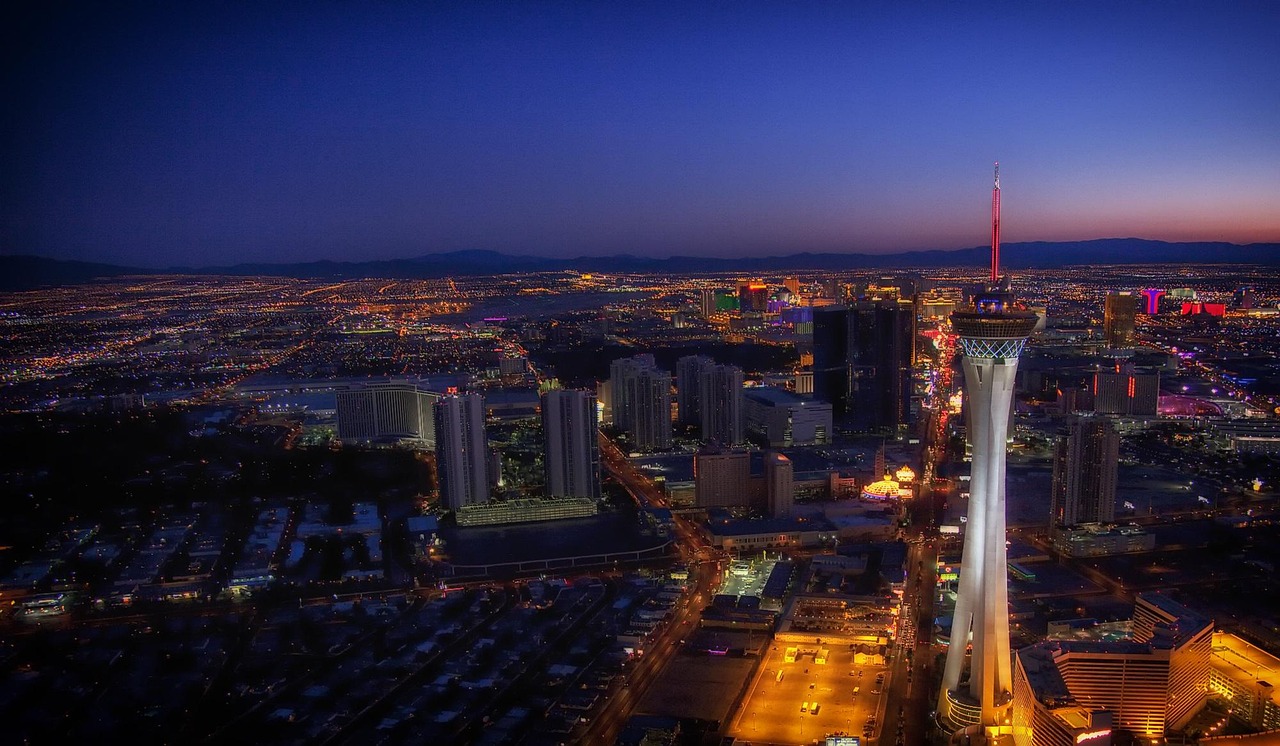



Lotus Asia Las Vegas Sands debt refinancing – Lotus Asia: Las Vegas Sa

Lotus Asia Las Vegas Sands debt refinancing – Lotus Asia Analyzes Las Vegas Sands Debt Refinancing and Stock Buyback

  • Casino operator will refinance $500 million of old debt
  • Some proceeds could be used to buy back stock
  • Offering details not yet officially priced

Lotus Asia Las Vegas Sands debt refinancing at Lotus Asia. Lotus Asia examines the recent financial maneuvers by Las Vegas Sands, including their plan to refinance $500 million in

Luxury resorts
Image by CyprusVillas from Pixabay

The regulatory document does not include pricing details or the interest rate, but industry insiders expect a portion of the proceeds to go towards refinancing existing 2.90% senior unsecured bonds maturing in June. The company also hinted that some funds might be allocated for stock buybacks.

“We intend to use the net proceeds from this offering, together with cash on hand, to (i) redeem in full the outstanding $500 million 2.900% Senior Notes due June 2025 and any accrued interest, (ii) pay transaction-related fees and expenses, and (iii) for general corporate purposes, which may include repurchases of LVSC’s common stock under the existing authorization by LVSC’s board of directors,” the prospectus states.

Sands Not Strained by Debt Sale, Says Fitch

In the gaming industry, companies frequently issue new bonds to refinance existing debt, which helps extend maturity profiles and potentially lower interest costs. Fitch Ratings has indicated that the upcoming note sale should not negatively impact Sands’ balance sheet, as the company reported an earnings before interest, taxes, depreciation, and amortization (EBITDA) leverage ratio of 3.4x at the end of the previous year. Maintaining or improving this ratio could even lead to a rating upgrade.

Fitch retains a positive outlook as it believes Las Vegas Sands is committed to managing its balance sheet to maintain investment-grade ratings. The gaming company’s solid track record of managing leverage policies enhances its standing in the market.

Sands Credit Profile Compared to Rivals

Las Vegas Sands holds an overall credit rating of “BBB-,” which is favorable compared to competitors like MGM Resorts International and Wynn Resorts, both rated “BB-” or below investment grade.

Fitch appreciates Sands for its prudent financial management, especially post-COVID-19 pandemic, when the operator took measures such as halting dividends to stabilize its operations.

Current Market Trends

  • The gaming industry is showing signs of recovery post-pandemic.
  • Investors are particularly cautious about companies’ debt management strategies.
  • Stock buybacks can indicate confidence in a company’s future performance.

In summary, Las Vegas Sands is poised to refinance its debt, which could enhance its capital structure while providing flexibility for potential stock buybacks. These actions reflect the changing dynamics in the gaming industry as companies adapt to a post-pandemic environment.


Texas Lottery courier ban – Lotus Asia: Texas Lottery Votes to Ban Cou

Texas Lottery courier ban – Texas Lottery Votes to Ban Courier Industry

Texas Lottery courier ban at Lotus Asia. The Texas Lottery Commission has unanimously voted to ban lottery courier services, a move that follows a controversial jackpot win and has

Key Highlights of the Decision

  • TLC Unanimously Votes to Ban Lottery Couriers
  • Agency to Revoke Licenses of Retailers Involved with Couriers
  • Political Pressure Increases Following $96 Million Jackpot Scandal

The TLC’s decision to enforce this ban represents a turning point in how lottery sales are managed in Texas. The vote was conducted unanimously, signalling a strong consensus among the members about the necessity of this action.

Courier ban
Image by wal_172619 from Pixabay

Understanding the Context

For a long time, the TLC had previously claimed that they lacked the authority to regulate these courier services. However, following a controversial jackpot win by a European gambling syndicate in April 2023, public scrutiny intensified. This syndicate purchased a staggering 25.8 million tickets, thereby guaranteeing that they would win at least a share of the jackpot.

The events surrounding this jackpot have raised eyebrows and led to accusations of manipulation and exploitation of regulatory loopholes. Despite Texas law prohibiting the sale of lottery tickets via telephone or online platforms, lottery couriers argued that their operations fell within a legal gray area because they were simply providing a delivery service.

Political Pressure

The TLC faced mounting pressure from state legislators to act against couriers in the wake of the jackpot scandal. Lieutenant Governor Dan Patrick voiced strong concerns, stating that the occurrence represented a severe theft from the people of Texas.

On the legislative front, similar bills aimed at restricting couriers’ operations have been making their way through the Texas Senate.

Immediate Enforcement Actions

Sergio Rey, the acting deputy executive director of the TLC, announced that the agency would immediately enforce the ban following their vote. The TLC also granted the authority to revoke licenses from retailers that collaborate with or assist courier services.

The Coalition of Texas Lottery Operators (CTLO) has publicly contested the ban. They argue that the actions taken by the TLC are damaging to an industry that has operated within established rules and regulations for years. They express concern over the lack of accountability and credibility from the TLC, particularly considering the increased scrutiny of its operations.

“Lottery couriers legally operated for years with the cooperation and assistance of the TLC. In response to political pressure, the TLC chose to abruptly change course and eliminate businesses, jobs, and a service millions of Texans rely upon,” the CTLO stated.

In response, the state’s largest courier company, Lotto.com, has filed a lawsuit against the TLC, claiming unfair treatment and unlawful measures being taken against their services.

Looking Ahead

As the Texas Lottery Commission embarks on enforcing these new regulations, the broader implications for the gaming industry in Texas remain to be seen. Advocates for enhanced regulation argue that these moves could restore integrity to the lottery system, while opponents caution about the potential job losses and detrimental effects on services valued by the community.

This monumental shift raises questions regarding the future of lottery courier services, consumer access to lottery tickets, and the regulation of the industry as a whole.

Conclusion

The ban on lottery couriers by the Texas Lottery Commission signifies a prominent response to the economic and ethical concerns that have arisen following the jackpot controversy. It serves as a reminder of the ongoing struggle between regulation and access within the world of lotteries and gambling.

With further legislative actions in the pipeline, the outcome of this situation could very well shape the future landscape of the gambling industry in Texas and beyond.

Prince Harry Las Vegas visit – Lotus Asia: Prince Harry’s Las Vegas Vi

Prince Harry Las Vegas visit – Prince Harry's Las Vegas Visit to Honor Diana

Prince Harry Las Vegas visit at Lotus Asia. Prince Harry is visiting Las Vegas resorts, including The Venetian and Wynn Las Vegas, to launch a youth leadership initiative as a

Las Vegas resort
Image by skindfs from Pixabay

Harry will participate in a panel discussion at ServiceNow’s Knowledge 2025 conference, which is being hosted at two of Las Vegas’s iconic resorts: The Venetian and Wynn Las Vegas. The event is scheduled for May 6, coinciding with the sixth birthday of his son, Prince Archie, and the second anniversary of his father’s coronation.

Interestingly, reports suggest that Harry will not be accompanied by his wife, Meghan Markle, on this trip.

During the conference, Prince Harry will introduce the “Pledge to Invest” initiative, which is part of the esteemed Diana Award. Established in 1999, this UK-based charity recognises young people who make a positive impact in their communities, inspiring others to follow in their footsteps.

The Diana Award is particularly significant as it serves as one of the few remaining associations linking Harry to his brother, Prince William, the future King of England. Despite ongoing tensions between the siblings, they both remain supporters of the initiative, albeit separately.

Previous Visits to Las Vegas

Harry has a history with Las Vegas, with his most recent visit occurring in February 2024, where he presented the Walter Payton Man of the Year Award to Cameron Heyward of the Pittsburgh Steelers at the NFL Honors ceremony. Prior to this, he and Meghan attended the finale of Katy Perry’s residency at Resorts World in November 2023. This visit drew some criticism, as they flew on a private jet, which contrasted with his brother William’s decision to fly commercially for an environmental award in Singapore.

Las Vegas resort
Image by 12019 from Pixabay

One of Harry’s most memorable Vegas escapades was back in August 2012, when he was photographed having a wild time at the Encore at Wynn hotel. This trip saw him make headlines for a rather raucous pool party, where he reportedly ended up in quite a compromising position. It spawned a whirlwind of media coverage and the now-iconic photo of him caught in a cheeky moment.

Reflecting on that experience, Harry once remarked, “At the end of the day, I probably let myself down. I let my family down. I let other people down.” His youthful energy and notorious sense of adventure during those days are often fondly remembered, adding to his vibrant image.

Key Takeaways and Facts

  • Prince Harry will return to Las Vegas on May 6, 2025.
  • He will launch the Diana Award’s “Pledge to Invest” initiative.
  • The event will occur at both The Venetian and Wynn Las Vegas.
  • This trip marks a significant return to the city where he has had both joyous and controversial moments.
  • The Diana Award recognises young people who contribute positively to their communities.

In summary, Prince Harry’s upcoming visit to Las Vegas not only serves to enrich young lives but also highlights his ongoing commitment to his mother’s legacy. The city that has played a backdrop to many memorable royal adventures will once again witness a significant moment as Harry embarks on this important mission for the youth.

PointsBet Canada sale – Lotus Asia: Is PointsBet Canada Up for Sale?

PointsBet Canada sale at Lotus Asia. Speculation is mounting regarding the potential sale of PointsBet Canada, with several major players reportedly interested in acquiring the

PointsBet Canada sale – Is PointsBet Canada Up for Sale?

The recent discussions in the industry have sparked curiosity over a potential sale of PointsBet Canada to Hard Rock Digital. But is there any substance to these speculations?

The $225 Million Deal

Online betting
Image by eGamingImagery from Pixabay

As one source from the industry stated, “Buying a customer database makes little sense without an ongoing license application.”

Recent reporting indicates that Betr, which owns a 20% stake in Australia’s PointsBet, is making aggressive moves to acquire the operator amid a bidding war with Japan’s MIXI.

Betr merged with BlueBet in 2024, offering $230 million for a controlling interest in PointsBet, while PointsBet’s management suggested MIXI’s $225 million offer due to doubts about Betr’s financial capability.

What’s Next for Alberta?

Notably, Betr has arranged $77 million in financing, including an offer from Seminole Hard Rock Digital to acquire PointsBet Canada for $19 million.

We reached out to the Alcohol and Gaming Commission of Ontario (AGCO) regarding Hard Rock’s license application. An AGCO representative commented, “We can confirm that there are igaming operator applications underway for AGCO registration. However, the company in question has yet to apply.”

As mentioned by another industry insider, “At present, ‘Canada’ largely refers to Ontario. However, Alberta is poised to launch a similar igaming market in 2026, and PointsBet has shown interest in expanding into this new territory.”

Betr’s Buyout Attempts in Australia

After selling its U.S. assets to Fanatics in April 2024, PointsBet retained its Canadian operations. Exact figures concerning PointsBet Canada’s market share remain unspecified, but data from H2 Gambling Capital shows bet365 commands significant dominance in Ontario’s licensed igaming market with 15%.

Data analysis sources like web traffic, affiliate traffic, and search metrics assist in measuring market size and growth, where official data may be lacking.

A representative said, “Currently, PointsBet does not appear in our data, which might indicate they’re classified among the ‘others’ in H2’s market share, which constitutes about 24%.”

In its H1 FY25 statements, PointsBet reported an impressive 18% surge in total net win from Canadian operations, generating CA$16.5 million across both sports betting and iGaming segments. Specifically, sports betting accounted for CA$152.4 million, reflecting a 45% year-over-year increase, while iGaming transactions reached CA$487.2 million—up by 39%.

Key Takeaways

  • Potential sale of PointsBet Canada to Hard Rock Digital being discussed.
  • PointsBet’s market presence in Ontario is currently unclear.
  • Betr’s financial backing increases competition for PointsBet’s assets.
  • Ontario’s established igaming market could expand into Alberta by 2026.
  • PointsBet continues to report growth in Canadian gaming activities.

As the landscape evolves, this situation will keep industry analysts closely engaged. What happens next could reshape the future of online gambling in Canada.

Lotus Asia: Penn Entertainment Admits ESPN Bet Performance Issues

Penn Entertainment Admits ESPN Bet Performance Issues

ESPN Bet performance at Lotus Asia. Penn Entertainment's CEO Jay Snowden has candidly addressed the disappointing performance of the ESPN Bet sports betting brand, acknowledging

  • CEO Jay Snowden outlines the brand’s shortcomings in a letter to investors.
  • The company aims to “unlock full value” from its collaboration with ESPN.
business meeting
Image by Alexas_Fotos from Pixabay

In the letter, both Jay Snowden and Chairman David Handler acknowledged that the ESPN Bet venture remains a priority for the company, even as it continues to face significant hurdles. According to their analysis, since the launch of their deal with ESPN’s parent company, Walt Disney, Penn has faced disappointing market share and financial performance outcomes.

In August 2023, a monumental 10-year, $2 billion agreement was reached, whereby Penn is set to pay $1.5 billion directly to ESPN and offer an additional $500 million in warrants to the network, allowing it to purchase approximately 31.8 million shares in Penn over a period of ten years.

Addressing the Challenge

Despite the investment, the anticipated return has yet to materialise. In their letter to shareholders, Handler and Snowden expressed:

“Our market share and financial performance in sports betting thus far has not met our expectations. Our Board and management are working promptly to adapt our strategies and unlock the partnership’s full potential.”

Penn further highlighted their commitment to ESPN, presenting it as a crucial partner as they work to improve market share in a way that is financially sustainable. This task, however, may prove challenging, as major rivals like Flutter Entertainment’s FanDuel and DraftKings hold commanding positions in the US sports betting market, a situation experts predict won’t shift rapidly.

Increased Pressure to Perform

The urgency to see positive results from ESPN Bet is mounting. This letter coincides with the upcoming annual meeting on June 17, which will include regulatory documents and voting instructions concerning board of directors elections. A notable point of contention has arisen thanks to hedge fund HG Vora, one of Penn’s largest shareholders, which has initiated a proxy battle seemed to criticise the nominations made by Penn management.

Vora’s criticisms stem from the fact that only two of its recommended candidates have been nominated for directorship, leading to demands for more comprehensive representation on the board. Penn did announce that candidates John Hartnett and Carlos Ruisanchez would be nominated, but the exclusion of William Clifford, a previous senior executive at an acquired company, has been a point of contention.

The Handler/Snowden letter was also released nearly two months following Penn’s fourth-quarter earnings call, where it was pointed out that the August 2026 milestone marks three years into the ESPN deal — at which point either party could potentially withdraw the partnership.

Previous Challenges in Sports Betting

Penn’s history in online sports betting isn’t particularly stellar either. The company had previously acquired Barstool Sports for over $500 million, a venture that ultimately did not yield the desired outcome and led to a large financial loss when they disposed of the Barstool brand back to its founder David Portnoy for just $1.

While recent efforts show some progress, particularly through the Hollywood iCasino app, which has garnered positive reviews in terms of iGaming, Penn acknowledges that sports betting is often the gateway for drawing customers into broader online gaming experiences. Handler and Snowden expressed cautious optimism about the future of ESPN Bet, stating:

“Although our early integrations have widened our reach and helped with customer acquisition, we understand that there is much more to be done to realise our full capacity.”

This partnership with ESPN is seen as vital and Penn is hopeful that ongoing collaboration will yield improved results as they navigate through future challenges.

Summary

Penn Entertainment’s ESPN Bet sports betting brand has not yet met initial expectations, leading executives to reassess their strategy and partnership approach. As they face mounting pressure from stakeholders and rivals, Penn remains committed to unlocking the potential of their relationships while being proactive in facing challenges ahead. Future updates will provide insight into whether their efforts will successfully enhance their market position.

In the constantly evolving world of sports betting, success or failure can hinge on strategic partnerships like the one between Penn and ESPN. Stakeholders are eager to see how this relationship will unfold in the coming years.

Lotus Asia: Harveys Lake Tahoe Renovation into Caesars Republic

Harveys Lake Tahoe Renovation into Caesars Republic

Harveys Lake Tahoe renovation at Lotus Asia. Caesars Entertainment is investing $160 million to overhaul Harveys Lake Tahoe, transforming it into the new Caesars Republic.

What to Expect with the Renovation

  • Harveys Lake Tahoe is undergoing a $160 million renovation.
  • The project will result in the resort being renamed Caesars Republic.
  • Caesars is bullish on the South Shore Lake Tahoe market.

The ambitious overhaul will cover a sprawling 1.6 million square feet of the property. The casino, spanning over 88,000 square feet, will see a major upgrade, featuring new carpeting, modern lighting, and fresh gameplay tables and chairs. The installation of cutting-edge slot machines will also be a highlight of the renovations.

Lake renovation
Image by Beeki from Pixabay

The updates don’t stop at the gaming floor; the two hotel towers, which offer a combined 740 hotel rooms, will undergo extensive remodeling, incorporating butler service for select high-end suites. Notably, the resort will still feature its celebrity establishments, including Gordon Ramsay’s Hell’s Kitchen and Wolf by Vanderpump.

Business Outlook and Market Trends

Despite some market uncertainty, Caesars Entertainment remains optimistic about the South Shore Lake Tahoe gaming market. Their confidence is reflected not only in the investment into Harveys but also in ongoing improvements at Harrah’s Lake Tahoe, which sits directly across the street.

  • First-quarter revenue for Caesars reached $2.79 billion, marking a nearly 2% increase from the previous year.
  • Last year, **South Shore casinos** won $244 million in revenues, reflecting an 8% increase from the prepandemic levels of 2019.

This trend is encouraging, especially as gross gaming revenue on the Las Vegas Strip has shown signs of decline, dropping 1% from this period last year.

A Competitive Market

Caesars isn’t alone in this venture; competition is heating up in Lake Tahoe as billionaire Tilman Fertitta’s Golden Nugget is also undergoing extensive renovations on its 539-room hotel and casino.

As Caesars looks to elevate the experience at Harveys, it’ll be interesting to see how these investments will reshape the gaming landscape in Lake Tahoe. The anticipated transformation aims to provide a new level of luxury and excitement in the region.

Ownership and Financial Structure

While Caesars manages the operations at Harveys, the physical assets are owned by Vici Properties, a real estate investment trust (REIT) that Caesars sold the resort to in 2017. Such structures are common; they typically help finance significant renovations through leaseback agreements, securing a steady income while allowing for major refurbishing projects.

Caesars’ plans for this revitalized venue signal a robust commitment to not only maintaining but enhancing its foothold in the competitive gaming market of Lake Tahoe.

Stay tuned as we bring you updates on the progress of this exciting project set to complete in mid-2026.

In summary, Caesars’ investment in transforming Harveys Lake Tahoe into Caesars Republic speaks volumes about their confidence in the regional gaming market. With extensive renovations planned to enhance both the gaming experience and luxury stay options, this project positions the resort as a premier destination in Lake Tahoe.

Trump administration gaming impact – Trump Administration’s Impact on

Trump administration gaming impact – Assessing the Trump Administration's Impact on the Gaming Industry

Trump administration gaming impact at Lotus Asia. The first 100 days of the Trump administration have presented a complex landscape for the gaming industry, with policy shifts and

White House
Image by dimitrisvetsikas1969 from Pixabay

The first 100 days of a president’s tenure are considered a benchmark to measure the early success of the new commander-in-chief. Determining if Trump’s second first 100 days has been a victory or failure largely lies along party lines.

  • Trump has been busy, signing 142 executive orders and making numerous proclamations.
  • His controversial policies include tariffs, which threaten the US gaming industry.
  • The divide in opinion on his performance reflects partisan perspectives.

Trump has, unquestionably, been busy. He’s signed 142 executive orders, 40 proclamations, and 42 memorandums, including the Laken Riley Act that mandates the Department of Homeland Security to detain and deport illegal immigrants charged with or convicted of violent crimes. Additionally, he’s made headlines for comments ranging from baseball legends’ Hall of Fame prospects to teasing a third term in 2028, which has been described by his press secretary as “trolling” his adversaries.

Perhaps the most significant event of the previous 100 days is Trump threatening tariffs on most of the world. Although he’s scaled back the initial levies announced on his so-called “Liberation Day,” the potential for “reciprocal tariffs” could have dire implications for the global economy.

Trump’s Gaming Impact

Trump’s second term has ramifications for the gaming industry as well, with his tariffs potentially impacting both US tribal and commercial gaming industries. Concerns exist across locations from Las Vegas to Atlantic City regarding consumer behaviour and whether leisure spending will decrease in anticipation of increased costs linked to tariffs.

Gaming analyst Barry Jonas from Truist Securities shares insights after attending the East Coast Gaming Congress in Atlantic City, where he found that casino executives remain optimistic about their businesses despite macroeconomic concerns. He stated, “Despite market turmoil, company commentary was fairly positive, noting consumer trends are stable and tariffs’ impact remains largely unknown.”

However, Jonas also expressed caution regarding the economic landscape:

“The current administration’s rollout of various policies — including tariffs and drastic spending cuts — continues to create uncertainty in the markets. Panelists agreed that it is still early for tariff implementation, and operators have yet to see the complete impact. They are particularly concerned about softer international travel trends, which heavily affect Las Vegas.”

Since the beginning of Trump’s second term on January 20, shares of major companies have observed a decline—MGM Resorts is down 7%, Caesars Entertainment has dropped 21%, and Wynn Resorts has seen a 7% decrease. Even Las Vegas Sands, which no longer runs any US casinos, has lost 18% in shares. It is notable that Sands’ owner, Dr. Miriam Adelson, was among Trump’s top donors in his previous campaigns.

Prediction Markets

Another important facet of Trump’s second presidency revolves around the regulation of prediction markets, which encompass online wagering websites and apps advertised as derivatives markets. The Commodity Futures Trading Commission (CFTC) regulates these peer-to-peer exchanges, and in February, Trump appointed Brian Quintenz, a former CFTC commissioner and crypto advocate, to head the agency.

Trump’s administration is expected to favour less regulation, which bodes well for digital currencies and prediction exchanges. One such prominent exchange, Kalshi, appointed Donald Trump Jr. to an advisory position in January.

Kalshi and its competitors have started to offer event contracts related to sports, which the legal gambling industry claims violate existing state sports betting laws. The CFTC is currently examining whether these sports-related event contracts qualify as financial instruments or forms of gambling.

In conclusion, the impact of President Trump during his first 100 days of his second term signals both pivotal challenges and opportunities for the gaming industry. The consequences of various policies—including tariffs and the regulation of prediction markets—will continue to shape the future landscape for gaming as industry leaders navigate the evolving economic terrain.

Indiana Casino Relocation Study Bill Advances | Lotus Asia

Indiana Casino Relocation Study Bill Clears General Assembly

Lawmakers are advancing an Indiana casino relocation study bill aimed at boosting gaming revenue and economic growth by evaluating potential new sites for casinos within the state.

Casino relocation
Image by Linda72 from Pixabay
The interior of a Rising Star Casino Resort hotel room with the riverboat seen through the window. Legislation in Indiana proposes allowing struggling casinos to relocate, contingent on a market study to explore optimal gaming markets within the state.

Legislative Overview

  • Senate Bill 43: Co-authored by Senators Andy Zay (R-Huntington), Ron Alting (R-Lafayette), and Lonnie Randolph (D-East Chicago).
  • Market Study Commission: The bill mandates the Indiana Gaming Commission to hire a third-party firm to identify potential gaming markets.
  • Southeast Oversaturation: Indiana’s current casino market in the southeast is oversaturated, forcing competition that stifles profitability.
  • Northeast Potential: There’s a belief that the northeast region holds great promise for a new casino.

Senator Zay mentioned, “With our southeast region saturated, relocating a casino to the northeast could foster economic uplift and spur infrastructure development.” This insight highlights the rising demand for gambling entertainment beyond the usual hotspots.

Rising Star Casino’s Relocation Bid

As part of this legislative push, Rising Star Casino Resort aims to move operations. Zay’s Senate Bill 43 comes following a previous failed attempt to transfer Full House Resorts’ gaming concession from its current location.

Full House was prepared to invest substantially ($500 million) in a new site near Fort Wayne, with associated penalties and fees, showing the significant fiscal commitment associated.

Market Study Requirements

The firm chosen by the Indiana Gaming Commission will not only predict yearly gaming revenues for the identified regions but will also investigate:

  • How new casinos could affect existing local gaming properties.
  • The anticipated influx of visitors and gaming revenue from outside the state.
  • Impacts on the state’s horse racing industry.
  • Effects on tourism and the operations of tribal casinos.

This comprehensive approach aims to ensure that all stakeholders understand potential implications, both positive and negative.

Timelines and Expectations

The report from the gaming commission’s studies is set to be presented no later than November 1, 2025. The findings will subsequently be shared with the State Budget Committee, providing vital data for future legislative moves.

Conclusion

Indiana’s exploration into feasible casino relocations signals a pivotal moment for the local gaming industry. With anticipated increases in revenue and job creation, the legislation reflects a strategic response to the changing landscape of the state’s casino market.

This initiative not only addresses the immediate needs of underperforming venues but also lays the groundwork for a dynamic and robust future for Indiana’s gaming sector.

California bookmaker fines – California Bookmaker Fined $14 Million fo

California bookmaker fines – California Bookmaker Faces $14 Million in Fines for Tax Evasion

  • Christopher Scott King ran an illegal betting operation out of Los Angeles
  • Department of Justice indicates he caused significant loss to the IRS

Significant California bookmaker fines have been levied against an individual who pleaded guilty to operating an illegal sports betting enterprise and evading taxes, resulting in a

Sports arena
Image by Pexels from Pixabay

King, a resident of Santa Monica, California, operated his betting activities out of Los Angeles using a website based in Costa Rica. This tactic is frequently used by savvy local bookies. The Department of Justice (DOJ) reported that King violated both federal and state laws, notably failing to meet his tax obligations.

The Justice Department noted that between 2019 and 2022, King concealed a staggering $13,586,493 of income from the IRS by failing to accurately report his earnings on tax returns, leading to a total loss to the IRS exceeding $3.8 million.

For instance, in 2022, King reported only $143,258 in taxable income on his return. However, it was revealed that he actually earned over $5 million that year. Such discrepancies significantly intensified his legal issues as he now faces penalties that amount to nearly $14 million, inclusive of a personal money judgment of forfeiture amounting to $10 million.

Investment of Illegal Gains

According to the DOJ, King laundered his illicit earnings through investments in gold and various real estate projects. Some of the funds were also directed into brokerage accounts, complicating his already precarious financial situation.

As part of his plea agreement with the DOJ, King is expected to receive a sentence on September 9. Should he be sentenced to the maximum penalties for his crimes, he could face up to five years in prison for each count of tax evasion and other related charges, and up to ten years for money laundering. Additional penalties such as supervised release can also be instituted.

The Broader Context: California’s Betting Landscape

King’s case is intriguing for multiple reasons, not least because it positions him in the centre of California’s complex relationship with sports betting. Currently, sports wagering remains illegal in California, creating a ripe environment for underground operations.

Despite attempts at regulation, such as the failed 2022 ballot initiative aimed at legalising sports betting, the state’s tribal casino operators have largely thwarted efforts to change legislation.

The tribes control the gaming landscape in California and have expressed little interest in revisiting the sports betting issue anytime soon. As it stands, the legalisation debate around sports betting continues to evolve, with prospects only possible for future votes.

Summary

Christopher Scott King’s plea agreement and the resulting fines reflect not only personal ramifications but also shine a light on the underbelly of illegal sports betting operations thriving in California amid tightened legal frameworks. As the state remains hesitant to permit regulated sports wagering, cases like King’s are likely to emerge more frequently, highlighting the need for comprehensive reform in the gaming landscape.

Caesars Digital Unit Monetization for Sports Betting | Lotus Asia

Caesars digital unit monetization – Caesars CEO Discusses Digital Unit Monetization and Sports Betting Strategy

Caesars CEO Tom Reeg is exploring options for Caesars digital unit monetization, with a keen focus on maximizing revenue from its sports betting operations.

  • Digital Unit Growth: The online gaming division experienced a remarkable 19% increase in revenue during the first quarter.
  • Sales Data: Caesars Digital, which includes Caesars Sportsbook, recorded sales of $335 million, along with an adjusted EBITDA of $48 million.

sports betting
Image by Larneg from Pixabay

In response to an analyst’s inquiry about a possible spin-off, Reeg stated, “Our job is to deliver the numbers that we have laid out starting in 2021. We’re well on that path.” This suggests that while options for monetization are on the table, the focus remains on achieving established goals.

Current Market Status

Reeg’s comments come in the wake of fluctuating share prices for Caesars, which have dropped by approximately 35.93% in a month. Investor Carl Icahn, a long-time shareholder, has expressed interest in collaborating with management to explore improvement avenues for the digital segment, indicating it is undervalued by the market.

This value gap also raises questions about how the performance metrics of the digital division are not reflected in the share price. As Reeg noted, “We will look at any and all options to create value for shareholders. But we must deliver results first.”

In-Depth Analysis of Q1 Figures

Despite favorable outcomes during major sporting events like the Super Bowl and NCAA Tournaments, Caesars Sportsbook still reported only a 9% rise in revenue. The management has ambitious targets, aiming for a 10% hold rate by the latter half of the upcoming year, with projected sports betting EBITDA in the hundreds of millions over the next 18 months.

iGaming is also witnessing significant growth, with revenues up by 70% year-on-year for April.

Jonas adds, “In iGaming, Caesars has recorded a further quarter of record growth, with a 53% rise, attributed to a 28% increase in handle, favorable hold rates, and lower reinvestment. The new app, The Horseshoe, has contributed 7% to iGaming revenue. With recent advancements like the Live Dealer Studios launched in Pennsylvania and New Jersey, growth expectations remain optimistic.”

Potential Options Moving Forward

Given the immense growth in the digital space, Caesars is positioned remarkably well to leverage this momentum. Potential strategies may include:

  • Expanding the Digital Offering: Increased marketing and promotional efforts across platforms.
  • Investing in Technology: Enhancing user experience with advanced technology features.
  • Strategic Partnerships: Collaborations with other gaming entities or tech companies for expansion.
  • Creating Competitive Advantage: Focusing on unique selling propositions that differentiate from competitors.

Overall, Caesars is weighing its options carefully as it navigates the turbulent waters of share price performance and investor expectations.

Conclusion

Caesars Entertainment is at a pivotal moment, striving to maximise the potential of its digital unit while ensuring the long-term satisfaction of its shareholders. With strong revenue growth and a keen strategic outlook, the company aims to rectify the market’s perception of its digital offerings. Volatile share prices may obscure the progress, but with careful navigation, Caesars could redefine its value in the gaming landscape.